
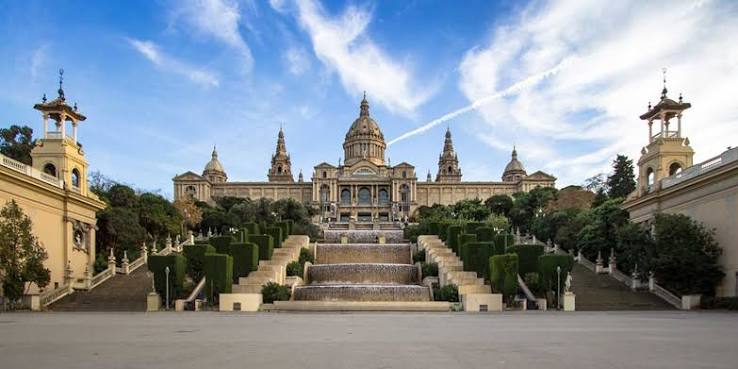
ماجستير التحليل الهيكلي للآثار والإنشاءات التاريخية في جامعة البوليتكنيك في كاتالونيا

    ماجستير التحليل الهيكلي للآثار والإنشاءات التاريخية في جامعة البوليتكنيك في كاتالونيا

    0
    ماجستير التحليل الهيكلي للآثار والإنشاءات التاريخية في جامعة البوليتكنيك في كاتالونيا

    يمكن للطلاب الدوليين دراسة تخصص التحليل الهيكلي للآثار والإنشاءات التاريخية في جامعة البوليتكنيك في كاتالونيا في حرم الجامعة الرئيسي في Esplugues de Llobregat، إسبانيا. تتوفر درجة ماجستير هذه كبرنامج دوام كامل يُدرس في الحرم الجامعي باللغة إنجليزي. مدة البرنامج هي 1 سنة ويُقدم في حرم الجامعة الرئيسي. ويمكن للطلاب التقديم لفترة القبول التالية التي تبدأ في 1 يناير 2027.

    نبذة عن تخصص ماجستير التحليل الهيكلي للآثار والإنشاءات التاريخية في جامعة البوليتكنيك في كاتالونيا

    Overview The degree in Structural Analysis of Monuments and Historical Constructions (SAHC) at the Polytechnic University of Catalonia is taught by experts in the fields of architecture, engineering, geophysics, chemistry and history and aims to provide a multidisciplinary understanding of the field of structural conservation.Professional opportunities Europe is a world leader in knowledge generation, methodology and technology applicable to the conservation and restoration of architectural heritage. Substantial investment in recent years has led to significant advances in experimental and numerical techniques applied to the conservation of architectural heritage structures. The course will provide education and new prospects to engineers and architects who are seeking to acquire experience and develop their careers in the study, conservation and restoration of existing constructions, with a focus on architectural heritage and monuments. This master’s degree is of interest to graduates with Engineering and Architecture degrees whose aim is to work as consultants, designers or contractors in the conservation and restoration of structures that constitute architectural heritage, or who would like to supervise the conservation of local, international or global architectural heritage within the framework of private or public institutions, including governments.Generic competencies Generic competencies are the skills that graduates acquire regardless of the specific course or field of study. The generic competencies established by the UPC are capacity for innovation and entrepreneurship, sustainability and social commitment, knowledge of a foreign language (preferably English), teamwork and proper use of information resources.Specific competencies (PP: Professional path; RP: Research path; these indicate the focus of the objective according to the different paths)Show knowledge of current criteria and methodologies for the restoration of monuments (PT, RT). Design, plan and execute studies of architectural heritage, including the phases of preliminary research, inspection, diagnosis and intervention (RT). Come up with, design and implement solutions for the conservation and restoration of monuments and historical structures (PT). Use the technologies and procedures available at the current level of knowledge for the inspection and the material, constructional, morphological, mechanical and structural characterisation of historical structures. Specifically, graduates will have knowledge of advanced experimental and computational analysis techniques (RT). Research the historical and cultural aspects and contexts of monuments and solve problems relating to different historical construction phases or in new or unfamiliar social, cultural or economic contexts (PT). Solve problems and cope with technical and scientific challenges in a structured and rigorous fashion through the application of advanced theoretical and analytical tools (RT). Develop the engineering process in relation to the decision-making process concerning actions involving architectural heritage (PT). Work in interdisciplinary teams (consisting of historians, archaeologists, architects, physicists, geophysicists, chemists and others) using shared knowledge and vocabulary. (PT, RT). Develop criteria and technologies that contribute to conceptual, methodological and technological progress in the analysis, conservation and restoration of structures that are important as architectural heritage (RT).Other cross-disciplinary competenciesExchange ideas and knowledge through active integration into and participation in specialised or interdisciplinary networks. Know and apply advanced calculation, simulation and design tools (RT). Analyse, synthesise and integrate knowledge, approach complex problems and make judgements based on incomplete or limited information (PT, RT). Include the necessary reflections on the social and ethical responsibilities of the application of knowledge and judgements in studies and in practical applications (PT). Come up with, improve or innovate solutions or products creatively and generate new ideas relating to the theory, methodology and techniques of restoration (RT). Adopt a proactive attitude to changes and improvements in the context of economic development and international competitiveness (PT). Learn continually and independently through access to sources of information and training and through the critical analysis of personal findings or the findings of others (PT, RT). Collect and organise relevant information and critically examine the results of personal work or the work of others (PT, RT). Communicate the results of projects rationally, clearly and effectively to expert and non-expert audiences (PT, RT). Develop new sensitivities in terms of cultural, social and environmental aspects (PT, RT). Show an ethical commitment to the principles of conservation and restoration of cultural heritage and to the improvement of the living conditions of human beings and to sustainable development (PT, RT). Carry out research into theoretical aspects (conceptual and methodological) of technology applicable to the conservation and restoration of architectural heritage and generate original ideas or develop new applications (RT). Show a firm grasp of terminology and the ability to express ideas in the field of the Master’s course, in English (PT, RT). I want to find another Master Course
    Erasmus Mundus master's degree in Structural Analysis of Monuments and Historical Constructions (SAHC) at the Polytechnic University of Catalonia, provides advanced engineering training in the conservation of historical architectural structures.

    التخصصات

    الهندسة المدنية والبناءتاريخ

    شروط القبول في ماجستير التحليل الهيكلي للآثار والإنشاءات التاريخية بجامعة البوليتكنيك في كاتالونيا

    متطلبات اللغة الإنجليزية

    • IELTSعلى الاقل 6.5
    • TOEFLعلى الاقل 72

    متطلبات أخرى

    1شروط القبول للطلاب الراغبين في التسجيل في دورة الماجستير هي الحصول على درجة جيدة في الهندسة المدنية أو مؤهلات معادلة. يجب أن يكون لدى المهندسين المعماريين الراغبين في التقديم خلفية قوية في الهياكل. عادةً، يُتوقع من الطلاب الحصول على درجة التعليم العالي خلال أربع أو خمس سنوات. الدافع ومخطط الأطروحة؛ معلومات إضافية (النشر، الجوائز، وما إلى ذلك).

    رسوم دراسة ماجستير التحليل الهيكلي للآثار والإنشاءات التاريخية في جامعة البوليتكنيك في كاتالونيا

    ماجستير التحليل الهيكلي للآثار والإنشاءات التاريخية في جامعة البوليتكنيك في كاتالونيا
    جامعة البوليتكنيك في كاتالونيا

    جامعة البوليتكنيك في كاتالونيا
    إسبانيا

    إسبانيا, Esplugues de Llobregat

    استشارة دراسية عبر واتساب مع يو أبلاي