



As a vital input of economy, energy is one of the most strategic tools for sustainable development of countries. The contemporary energy system, which is 90 percent dependent on fossil fuels, is not sustainable due to resource scarcity, environmental problems, and global climate change. Another factor increasing the importance of energy is that in todays world, where natural gas is used as a transition fuel on the path towards a low-carbon energy system, the geopolitical rivalry among major energy players continues to heighten. This rivalry accelerates the struggle for resources and causes global economic and political destabilization.
Turkish energy system is also faced with crucial problems. Turkey imports about three quarter of its energy in exchange for 50-60 billion USD and its dependence on foreign resources threatens energy security as well as national security of the country. Turkeys import dependency on natural gas and oil, which are the most consumed primary resources, is currently more than 90 percent. Furthermore, domestic energy production is gradually decreasing while the gap between production and consumption continues to widen. In the 21st century, state economy cannot be sustained under such circumstances in energy.
Another important feature of Turkeys energy system is high energy demand owing to her rapid development, which attracts the attention of the world as a rising market. In the last 50 years, the primary energy demand increased by 5 percent while the demand for electricity increased by 8 percent and this situation is expected to continue for a long time. Therefore, the efforts to increase domestic production, especially of lignite, should be accelerated while the demand for energy should be decreased by improving energy efficiency. At the same time, standing at the crossroads of major energy producers and consumers, Turkeys unique geopolitical location provides the country with the opportunity to become an energy bridge, and more importantly an energy hub. Therefore, it is crucial for Turkey to become a significant energy player in the region.
Due to all these reasons, energy is one of the most attractive sector for investments in Turkey. The inability of the public sources to provide sufficient financing for investment necessitate most of the energy investments to be made by private sector. Monetary and fiscal performance of Turkish economy in recent years, improvement of investment environment, and introduction of new incentive programs have increased the number of long-term energy investments by the private sector. In addition to energy-oriented investments, some of the companies which invest in Turkey are global construction and contracting companies. These companies have started to give more importance to energy efficiency in their housing and plant constructions in order to increase their competitiveness. All of these companies need qualified man power and state-of-the art technology. Considering the fact that energy companies are generally located in Istanbul and its surrounding area, it is needed to open new higher education programs specifically focused on energy.
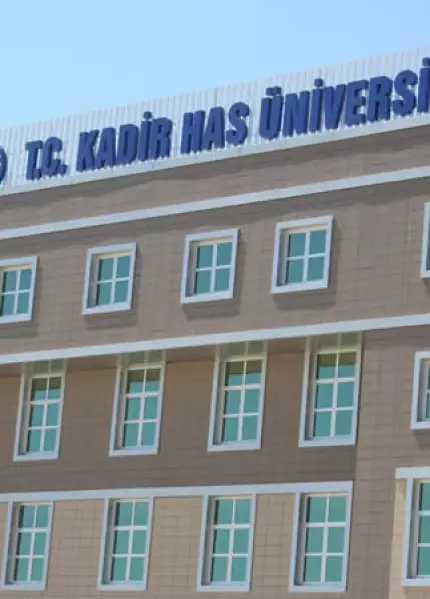
Even though a number of graduate programs on energy have been opened in recent years, these programs are far from meeting the needs of the sector due to their contextual and structural features. These programs generally focus on a certain aspect of energy, neglecting its interdisciplinary nature. It is expected that Energy and Sustainable Development Thesis/Non Thesis Masters Program, which was opened in 2016-2017 academic year at Kadir Has University, will fill the gap in this area as it brings together several disciplines in social sciences, physical sciences and engineering. It is also important to point out that the program works in coordination with the Centre for Energy and Sustainable Development, and thus maintains strong ties with interdisciplinary research and practice.
The Energy and Sustainable Development Masters Program, which is designed by taking all of these factors in consideration, ensures students to specialize in several areas of energy. Students are provided with a wide range of departmental and non-departmental elective courses in addition to the compulsory courses in four main areas namely, energy science and engineering, energy finance and economics, management of sustainable development and policies, and energy security and geopolitics. In addition to the theoretical knowledge provided by the courses, students are trained with real life practices by seminars given by the experts of the subjects. The most important advantage of the program, offered to students with bachelor degrees in many different branches, is the opportunity to acquire expertise in sustainable energy, which is becoming more important every day. The program is designed to be conducted completely in English to increase the competitiveness of students in the careers they will pursue either in Turkey or abroad. The program has thesis and non-thesis options for the purpose of satisfying the varying needs of the students.