
Biochemistry, Cell and Developmental Biology

    Biochemistry, Cell and Developmental Biology
    Duration36 month(s)
    Tuition Fee
    USD 43,800 / Year
    Apply DateDecember 1, 2021
    Next IntakeAugust 19, 2022
    Biochemistry, Cell and Developmental Biology

    About

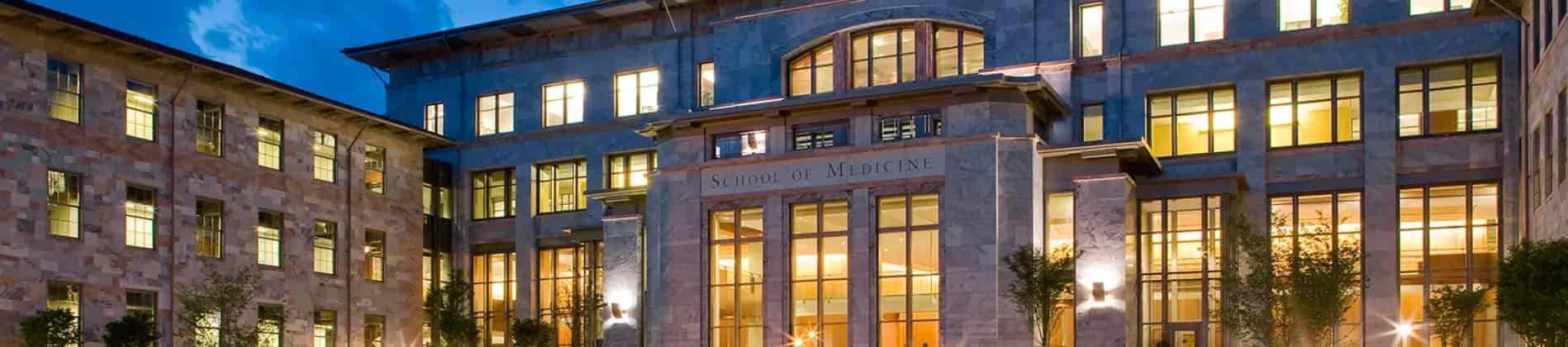
    Overview Students in the Biochemistry, Cell, and Developmental Biology program of Emory University are making discoveries at the levels of molecules, cells and organisms that improve our understanding of biological processes, including those that cause or prevent human disease. The pathways to discovery provide the experience necessary for successful scientific careers in academia, industry or government. Whether your goal is basic science or translational research we offer research opportunities that will enable you to impact human health and our understanding of the world.Academic EnvironmentEmory University is a premier research institution. Trends in NIH funding rank Emory among the fastest-growing medical centers in the U.S. The medical school is highly ranked, and several major research centers are located on or near Emory’s campus: I want to find another Phd Course The U.S. Centers for Disease Control & Prevention (CDC), the premier public health research and policy organization in the world, is adjacent to Emory, and many CDC researchers are actively involved in Emory’s life sciences programs.The Yerkes National Primate Research Center, one of only eight National Institutes of Health-funded national primate research centers, provides specialized scientific resources, expertise and training opportunities in biomedical and behavioral research involving nonhuman primates.Two eminent cancer research organizations are close to Emory: the Winship Cancer Institute, part of Emory’s Woodruff Health Sciences Center, and the American Cancer Society national headquarters are located a short distance from the campus.Emory is well known for strengths in many scientific disciplines. With over 55 faculty members in the BCDB program, and over 300 in the Graduate Division of Biological and Biomedical Sciences, Emory is sure to have a leading researcher with state-of-the-art facilities in the specialty of your choice.
    The Biochemistry, Cell, and Developmental Biology program of Emory University combines these complementary disciplines, into an interdisciplinary doctoral training program of the highest caliber.

    Disciplines

    ChemistryBiochemistryBiology

    Requirements

    Academic Requirements

    • gpa
    • gre

    Other Requirements

    1Successful applicants have strong undergraduate records in the biological or chemical sciences, and usually have research experience. Three general criteria are used to evaluate applicants: GPA, research experience, and letters of recommendation. We are both selective and rigorous, but do not follow a cookie-cutter approach to finding the best students.The desire to learn can be more important than experience, and each applicant is individually assessed for those qualities that are not contained in quantitative test scores. Are you creative? Are you curious and intuitive? Are you ready to devote yourself to research at the highest level? You may be someone we are looking for.GRE scores are not required by any of the Programs in the Graduate Division of Biological and Biomedical Sciences. International applicants whose native language is not English must complete the Test of English as a Foreign Language (TOEFL).

    Fee Information

    Biochemistry, Cell and Developmental Biology
    Emory University
    Emory University
    United States of America

    United States of America, Atlanta