
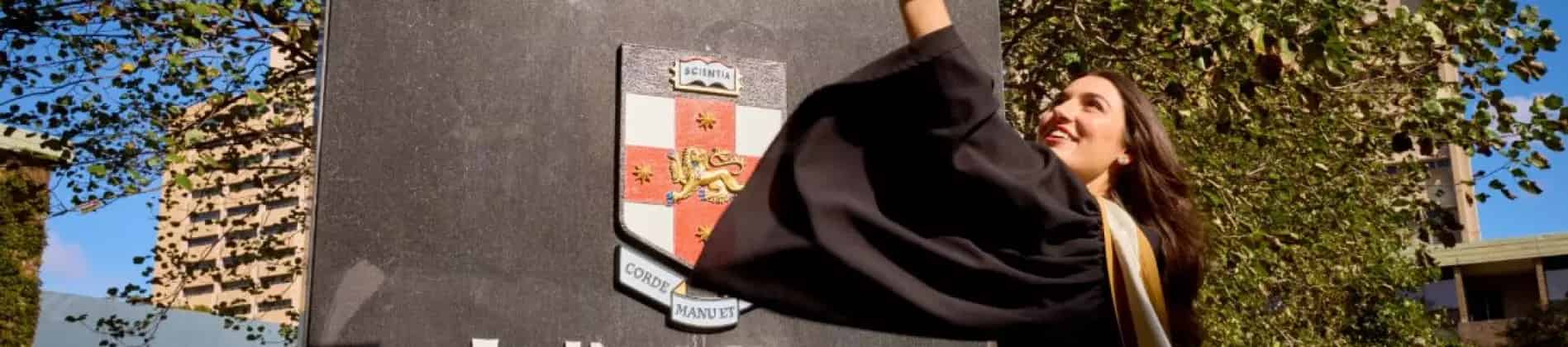

Master of Space Engineering (Canberra)

    Master of Space Engineering (Canberra)

    Duration1 year(s)
    Tuition Fee
    AUD 33,917 / Year
    Next IntakeJuly 1, 2026

    Master of Space Engineering (Canberra)

    About

    Be at the forefront of space exploration with UNSW Canberra’s Master of Space Engineering. This innovative degree equips you with the knowledge and skills to design, build and manage advanced space systems. With Australia’s space industry expanding, your expertise will position you to lead critical projects in Defence, government and private sectors.

    This program is designed for postgraduate students with relevant qualifications or extensive professional experience who want to develop a high-level understanding of the principles and practices of engineering related to space. You'll gain hands-on experience with world-class facilities, including satellite ground stations, cleanrooms and Australia’s first concurrent engineering design facility for space missions. Our strong industry connections and research-driven teaching will empower you to turn groundbreaking concepts into real-world solutions.

    Graduates of this program are sought after by global aerospace companies, Defence organisations and research institutions. Whether you aspire to work as a spacecraft engineer, mission analyst or satellite designer, this degree will unlock the door to the future of space exploration.

    Program Code
    8622
    Campus
    Canberra
    Total Units of Credit (UOC)
    48

    Requirements

    Entry Requirements

    English Program Requirements

    Faculty Undergraduate Postgraduate coursework Postgraduate research
    UNSW Canberra 6.5 overall (min. 6.0 in each subtest) 6.5 overall (min. 6.0 in each subtest) 6.5 overall (min. 6.0 in each subtest)

    Career

    Future careers

    Graduates of the Master of Space Engineering will enter a rapidly growing sector with boundless opportunities. The Australian Space Agency plans to triple the size of Australia’s space economy and create up to 20,000 additional jobs by 2030.

    You’ll be positioned to take on pivotal roles such as satellite engineer, spacecraft designer, or mission analyst, working on the next generation of space missions. Tackle global challenges like space debris management and communication systems and drive technological progress in Australia’s evolving space industry.

    Potential roles:

    • Aerospace Engineer
    • Astronautical Engineer
    • Avionics Engineer
    • Defence Engineer
    • Flight Systems Engineer
    • Guidance, Navigation and Control (GNC) Engineer
    • Launch Systems Engineer
    • Mission Control Engineer
    • Payload Engineer
    • Propulsion Engineer
    • Satellite Communications Engineer
    • Satellite Systems Engineer
    • Space Operations Engineer
    • Space Systems Analyst
    • Spacecraft Design Engineer
    • Spacecraft Operations Engineer
    • Systems Engineer
    • Telecommunications Engineer
    • Test Engineer
    • Thermal Engineer
    Software Developer

    Fee Information

    Tuition Fee
    33,917 / year
    Application Fee 150

    Master of Space Engineering (Canberra)

    University of New South Wales

    University of New South Wales

    Australia

    Australia, Sydney