

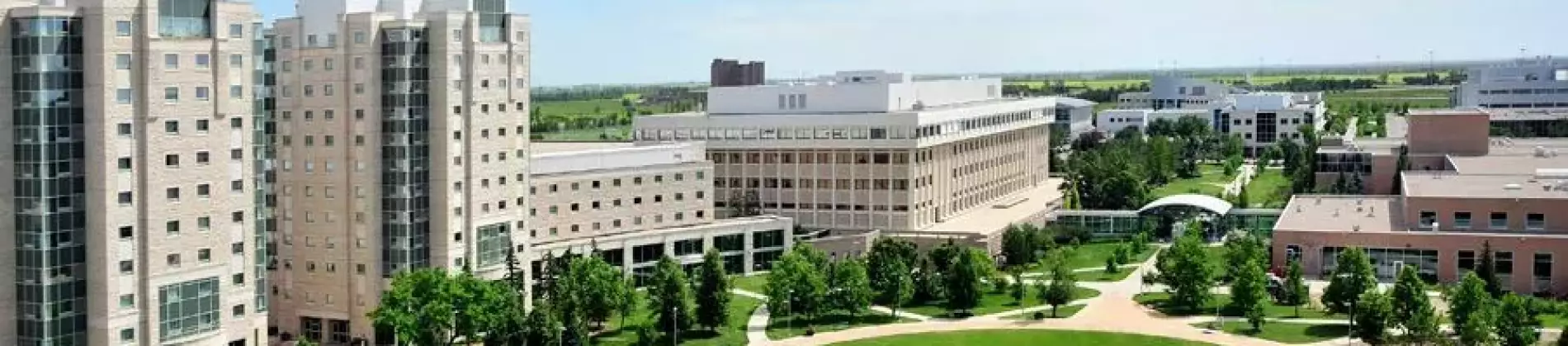


The electronic systems engineering graduate programs at the University of Regina give you the academic and applied research experience needed to compete for top engineering jobs, grow your career, and create next-generation innovations in electronics for industrial and consumer uses.
Applied research remains the driver of invention and modernization in the electrical engineering profession. Leading research also strives to serve organizations, nations and individual end-users as their needs and demands change.
Our systems approach to electronic engineering focuses on the big challenges addressing safety, environmental, social, economic and administrative implications.
Choose U of R and connect with these core strengths:
- Applied engineering research
- Research partnerships with industry
- Faculty dedicated to your success and training
Popular graduate-level electronic systems engineering courses include applied machine learning and power systems advanced protection and control.
Find the master’s degree option that best meets your interests and goals:
- Master of Applied Science – Thesis (30 credit hours), focusing primarily on research
- Master of Engineering – Project (30 credit hours), focusing on growth for practicing engineers
- Master of Engineering – Co-op (38 credit hours), integrating academic growth and professional development
We offer the following doctoral programs:
- Doctor of Philosophy (PhD) in Electronic Systems Engineering (60 credit hours) (after Master's degree)
- Doctor of Philosophy (PhD) in Electronic Systems Engineering (63 credit hours) (after MEng degree)
- Doctor of Philosophy (PhD) in Electronic Systems Engineering (93 credit hours) (after Bachelor's degree)