
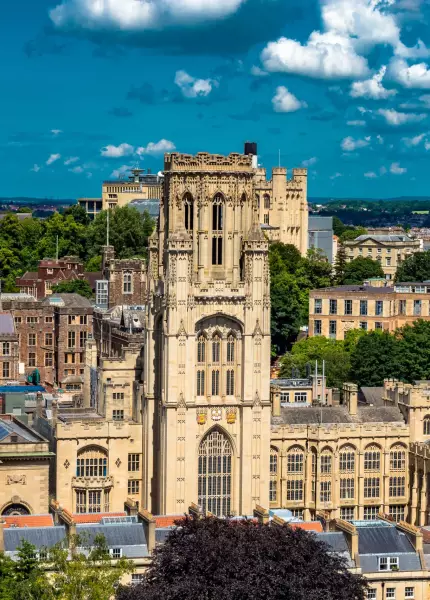
MA Environmental Humanities

    MA Environmental Humanities

    Duration1 year(s)
    Tuition Fee
    GBP 39,236 / Year
    Next IntakeSeptember 1, 2026
    MA Environmental Humanities

    About

    Overview

    To address environmental challenges, we don't just need to understand the science behind how the world is changing. We also need to understand how the relationship with our environment is shaped by human behaviour, beliefs, values and structures. Studying how human interactions with the natural environment have changed over time, and how those interactions have been explored in culture, is essential to tackling contemporary environmental concerns.

    This interdisciplinary master's balances the study of literature with work on visual culture, and our particular strength in environmental history. The programme offers you an international perspective, exploring interactions between environment, culture and history from across the world.

    Completing this course will allow you to:

    • Learn directly from our experts working in the world-leading Centre for Environmental Humanities and benefit from the Centre's growing international and community partnerships, including the Greenhouse Center for Environmental Humanities at the University of Stavanger in Norway, and the Environmental Humanities Center at VU Amsterdam.
    • Design your own interdisciplinary pathway by combining compulsory units with a range of optional and open units across literature, history, philosophy, geography and many more.
    • Explore real-world environmental challenges by working with our partners on real initiatives and solutions. You will have opportunities to engage with local organisations such as Bristol Green Capital Partnership, Black & Green Ambassadors, and the BBC Natural History unit, as well as with researchers at the Cabot Institute for the Environment.
    • Benefit from innovative teaching methods, combining student-led discussions and presentations in seminars with collaborative assessments and use of relevant digital tools.
    • Develop vital communication and research skills in preparation to undertake large-scale research projects. The programme's innovative dissertation unit includes collaborative and practice-based options (eg designing an exhibition) that offer you opportunities for working with external partners.
    • Gain relevant skills for a number of careers. Sustainability is increasingly important, and opportunities include research and education, heritage and conservation, media and communications, film and TV, and many more.
    • Study in a city well known for its green agenda and successful creative and technical economy. Bristol is a former European green capital, and the University hosts strong connections with multiple cultural organisations and community projects working on environmental projects.

    Requirements

    Entry Requirements

    Entry requirements

    An upper second-class honours degree or international equivalent in any Arts, Humanities or Social Sciences discipline (including Geography).

    For applicants who are currently completing a degree, we understand that their final grade may be higher than the interim grades or module/unit grades they achieve during their studies.

    We will consider applicants whose interim grades are currently slightly lower than the programme's entry requirements. We may make these applicants an aspirational offer. This offer would be at the standard level, so the applicant would need to achieve the standard entry requirements by the end of their degree.

    We will consider applicants whose grades are slightly lower than the programme's entry requirements, if they have a relevant postgraduate qualification. If this is the case, applicants should include their CV (curriculum vitae / résumé) when they apply, showing details of their relevant qualifications.

    See international equivalent qualifications on the International Office website.

    Read the programme admissions statement for important information on entry requirements, the application process and supporting documents required.

    Go to admissions statement

    If English is not your first language, you will need to reach the requirements outlined in our profile level C.

    Further information about English language requirements and profile levels.

    Read the programme admissions statement for important information on entry requirements, the application process and supporting documents required.

    Go to admissions statement

    English Program Requirements

    Career

    Career prospectsOur graduates will go on to a wide range of careers, from media, publishing, environmental consulting, environmental law, planning, teaching, politics, local and national government, and business. The core units on our MA include discussion of potential career pathways and how to prepare for them. The MA in Environmental Humanities also provides a strong foundation for those wishing to pursue further academic research at doctoral level and beyond, by teaching you advanced independent research skills and clear and concise writing.

    Fee Information

    Tuition Fee
    39,236 / year
    MA Environmental Humanities
    University of Bristol
    University of Bristol
    United Kingdom

    United Kingdom, Bristol

    Go to Official Website
    WhatsApp student consultation with YouApply