
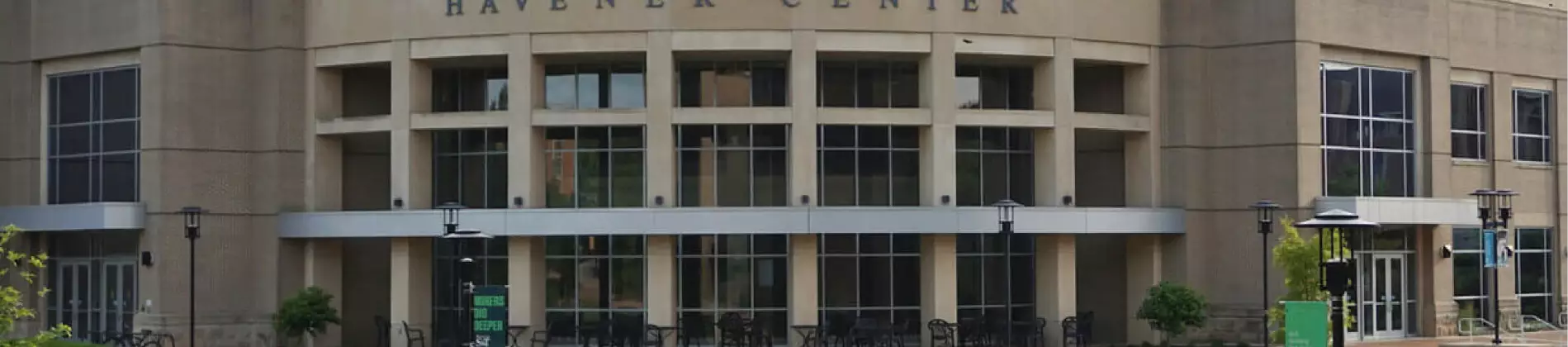

PhD in Petroleum Engineering at Missouri University of Science and Technology

    PhD in Petroleum Engineering at Missouri University of Science and Technology

    PhD in Petroleum Engineering at Missouri University of Science and Technology

    The Petroleum Engineering is a PhD degree offered by Missouri University of Science and Technology at its main campus in Rolla, United States of America. The program is delivered on campus as a Full Time course in English and requires approximately 4 years to complete. Students study at the university's main campus while gaining the knowledge and practical experience expected for this area of study. The next intake is available from August 21, 2027.

    About PhD in Petroleum Engineering

    The petroleum engineering program offers courses of study leading to the masters of science, doctor of philosophy, or doctor of engineering degrees. The master's degree can be earned with either a thesis option or a non-thesis option.

    While the program encourages students with an undergraduate degree in petroleum engineering to pursue graduate study, many graduate students are accepted with backgrounds in other areas of engineering, such as chemical engineering, mechanical engineering, or geological engineering. The program accepts such students with the expectation that any remedial petroleum engineering coursework will be met by the student while in residence for the master's degree. Students with backgrounds in geology or geophysics will also need to complete all fundamental engineering courses required for a degree in engineering.

    Graduate students studying for a masters degree with a thesis option typically find support for their study depending on current research projects and the availability of funding. Students preferring the non-thesis option are typically self-funding for their masters degree.

    Each student's graduate degree program is designed around a set of core petroleum engineering courses and other courses selected to support the thesis topic of interest. Students identify their thesis topic by the end of their first semester.

    Research specialties of the petroleum engineering program include reservoir enhancement, hydraulic fracturing, CO2 sequestration, gel treatments, drilling, well completion performance studies, and geomechanics of petroleum recovery.

    The program emphasizes mechanical earth modeling (MEM) as a specialty. The MEM group owns part of the university numerical intensive computing cluster. Students with a strong background in geological engineering and geomechanics will likely find excellent opportunities for advanced studies.

    The petroleum engineering laboratories contain modern equipment designed to study the many problems encountered in oil and gas production, as well as support research. The department laboratories include gas porosimeter and permeameter, liquid permeameter, viscometers, tensiometers, and a HPTP core flooding cell. The program also utilizes departmental facilities that include core cutting and preparation, laser ablation, XRD, SEM, and a triaxial and fracture cell and a direct shear apparatus for determining rock and fracture properties.

    Students externally supported by international oil and gas operating companies may also suggest research topics related to their professional experience or special topics of interest to their companies.

    For students whose native language is not English, a minimum score of 79 TOEFL, or a minimum score of 53 PTE, or a minimum score of 6.5 IELTS is required for admission. GRE scores are not required.

    For additional information regarding graduate study opportunity contact [email protected]. Additional information may also be found at the web pages at: http://gse.mst.edu/ or http://petroleum.mst.edu/.

    Requirements and Admission Criteria for PhD in Petroleum Engineering at Missouri University of Science and Technology

    Entry Requirements

    • 3 Letters of Recommendation
    • Transcripts (in English) from all colleges and universities attended. All unofficial copies of transcripts and scores can be uploaded to your online application for S&T to review. Upon arrival on campus, you must request that an official copy of your transcript(s) to be sent to us directly from your previous university’s registrar's office and all official scores reported directly from the respective testing agency. Once we receive the official documents, we will verify them. If there are any discrepancies between the unofficial documents you submitted, Missouri S&T will withdraw your admission and you will not be allowed to apply to S&T in the future.
    • A statement of purpose
    • A resume or curriculum vitae

    Test Score(s):

    • GRE and/or GMAT test scores.* S&T’s GRE Test Center Code is 6876 / GMAT test code is RWQ-TL-82
      • *Optional for doctoral students applying to Spring 2022. Please note that if score(s) are submitted they will be used during the admissions review process. Since funding opportunities are limited and competitive, students are encouraged to submit their GRE scores. 
      • GRE/GMAT will be required for Summer 2022 and beyond.
      • Programs that are waiving GRE are:
          • Petroleum Engineering, MS and PhD
          • Geological Engineering, MS and PhD
          • Geology & Geophysics, MS and PhD
          • Physics, MS and PhD

    English Requirements

    • PTEMin 58
    • IELTSMin 6.5
    • TOEFLMin 80

    Tuition and Fee Information for PhD in Petroleum Engineering at Missouri University of Science and Technology

    Application Fee 75

    How to Apply for PhD in Petroleum Engineering at Missouri University of Science and Technology

    • A submitted online application
    • $75 non-refundable application fee
    PhD in Petroleum Engineering at Missouri University of Science and Technology
    Missouri University of Science and Technology
    Missouri University of Science and Technology
    United States of America

    United States of America, Rolla

    WhatsApp student consultation with YouApply