

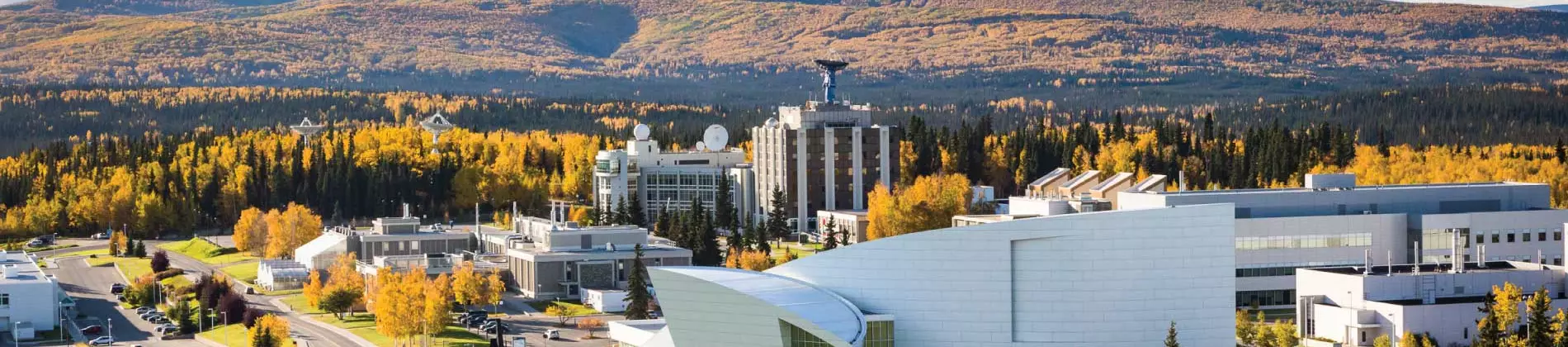


Students from all over the world come to UAF to study petroleum engineering. This ABET-accredited program is the only degree of its kind in Alaska. It's also the only petroleum engineering program in the United States that emphasizes the unique challenges found in the Arctic. That gives our graduates a huge edge with employers in Alaska and throughout the North.
The petroleum engineering degree at UAF puts you in the heart of the nation's energy frontier, with access to research, hands-on learning and professional opportunities you won't find anywhere else in the world. You'll have the advantage of working one-on-one with accomplished faculty who are experts in their fields. Your professors will know you by name and their doors are always open.
We have a long and successful track record of preparing leaders in the industry. More than 98% of our bachelor's in petroleum engineering graduates find permanent positions in the oil industry or go to graduate school.
What Is Petroleum Engineering?
Energy plays a crucial role in almost every aspect of our daily lives, and petroleum is the largest source of energy in the United States. Petroleum engineering combines the basic sciences of chemistry, geology and physics with engineering sciences to promote the development and production of conventional and unconventional hydrocarbon resources (such as crude oil and natural gas). The objective of petroleum engineers is to maximize the economical production from reservoirs while maintaining safety, efficiency and environmental stability.
What do petroleum engineers do?
Petroleum engineers work on important challenges that affect the way people around the world are able to access energy. Job duties include recommending the strategic placement of wells, developing well drilling plans, evaluating potential well production rates and performances and providing technical assistance during drilling operations to resolve potential problems.