
Bachelor of Community and Environmental Planning at University of New Hampshire

    Bachelor of Community and Environmental Planning at University of New Hampshire

    Bachelor of Community and Environmental Planning at University of New Hampshire

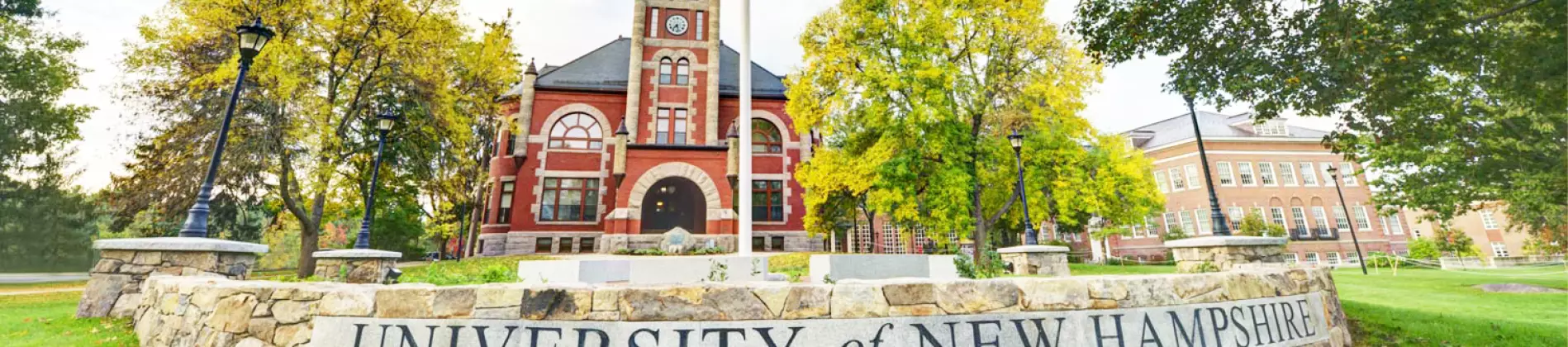
    The Community and Environmental Planning at University of New Hampshire is a Bachelor program designed for students who want to build the knowledge and skills required for careers in this field. Delivered on campus at the university's main campus in Durham , United States of America, the program is taught in English and takes 4 years to complete. Students study in a Full Time environment while preparing for future professional opportunities. The next intake starts on August 28, 2027.

    About Bachelor of Community and Environmental Planning

    The Community and Environmental Planning (CEP) program is designed to provide students with the knowledge and skills to become effective community planners in the public or private sector. There are 16 courses required for the major. All of the courses are designed to give the student a diverse skill-set in planning for the sustainability of communities. CEP students are provided a solid planning background with planning courses covering local, state and regional planning topics and methods. CEP students also take foundational courses in natural resources, geographic information systems, economics, and statistics, as well as a political science course, and a social issues course. The internship requirement (CEP 794) allows the planning student to apply their knowledge in the real world for instrumental hands-on experience. Semester in the City is also an option for the internship experience. CEP students are encouraged to focus their remaining hours on skills that can enhance their CEP major such as a dual major, a minor, or study abroad.

    Expected CEP Student Outcomes:

    • The foundational education in planning, natural resources, economics and sustainability.
    • The fundamental values of diversity, equity, justice, and protection of community and the environment.
    • The ability to assess, discuss, and engage others in the problems and potential solutions associated with impacts of land use changes.
    • The ability to work with community members and professionals in the design and implementation of community improvements in building and transportation while protecting natural and built resources.

    Students may go on to work in the community development or community planning departments in local communities. They may also choose to work in regional planning agencies, or with a state or federal office. Other options include the private sector, such as architectural or development companies, or the non-profit sector, such as with community development corporations or conservation groups. The American Planning Association provides a certification process for the planning profession (American Institute of Certified Planners) after several years of planning experience. Students may also choose to go on to graduate studies in Community and Environmental Planning, Natural Resources Management, Public Administration, or a related field.

    • Functional fluency in the use of traditional and contemporary planning tools, methods, projects, programs, and regulatory tools.
    • Analysis and articulation of social and environmental problems through the use of reliable and valid sources.
    • Inventory, assessment, and documentation techniques of existing resources in the built and natural environment.
    • Assessment methods of the consequences of proposed changes to the landscape at different scales, from local to regional.
    • Communication strategies for a diverse population regarding social and environmental issues related to community planning and development.
    • Engagement strategies for various stakeholders in the planning process through a variety of public engagement techniques.
    • Development of the comprehensive master planning process and documentation with lay and professional planners.
    • Skilled writing and public speaking in order to engage all stakeholders in the planning process.
    • Creative thinking and scenario design development and use regarding possible futures.
    • Networking with a variety of stakeholders for building a strong social network within and between communities and organizations.
    • Ability to work with the various scales of planning – federal, state, regional, local, neighborhood, and site levels.
    • Awareness of the opportunities for planning work in government, non-government, non-profit, Cooperative Extension, and the private sector in planning, environmental conservation, architecture, construction, and others.
    • Advocacy focus for all residents, businesses, organizations and visitors regardless of income, gender, race, ethnicity, religion or other stratifications within society.
    • Applied application of planning education and tangible experience through a community planning internship.

    Requirements and Admission Criteria for Bachelor of Community and Environmental Planning at University of New Hampshire

    Entry Requirements

    Official Transcripts

    Secondary and/or university transcript(s) of any coursework taken prior to applying to UNH, with English translations, are required. International documents received by UNH Admissions are verified, scanned, and confidentially destroyed. Official documents submitted will not be returned to the student.

    Letter of Recommendation

    Ideally, the letter should be from a student's school counselor or teacher. UNH does not require more than one recommendation and our preference is to receive no more than two. Excess recommendations may delay the admissions review process.

    English Requirements

    • PTEMin 59
    • IELTSMin 6.5
    • TOEFLMin 80

    Tuition and Fee Information for Bachelor of Community and Environmental Planning at University of New Hampshire

    Application Fee 65

    How to Apply for Bachelor of Community and Environmental Planning at University of New Hampshire

    Students may apply for UNH admission using the online Common Application. Further instructions and details about the application process are outlined on the site.

    Application Fee

    $65 for non-residents
    Fee waivers can be requested through the Common Application.

    Pay online at the time you submit your Common Application. Or you can mail a check, made payable to the University of New Hampshire. Please reference the student’s name and date of birth in the memo. Please mail your payment to the UNH Undergraduate Admissions Office.

    Additional Documentation

    The University of New Hampshire will accept unofficial documents for undergraduate international students to complete their application. Upon confirmation of enrollment, UNH will require official copies of documents that were previously submitted as unofficial. All official documents must be received by June 30.

    All paper materials for any undergraduate application should be sent to the following address:

    UNH Admissions
    3 Garrison Avenue
    Durham, NH 03824

    • Please use black ink when submitting any paper materials, and be sure to include a date of birth on all paper materials.
    • There are no interviews as part of the application process.
    • International Students should include a photocopy of the passport page with biographic information.
    • All offers of admission are considered conditional and are subject to the verification of satisfactory achievement when final transcripts are reviewed by the Admission Committee.
    Bachelor of Community and Environmental Planning at University of New Hampshire
    University of New Hampshire
    University of New Hampshire
    United States of America

    United States of America, Durham

    WhatsApp student consultation with YouApply