

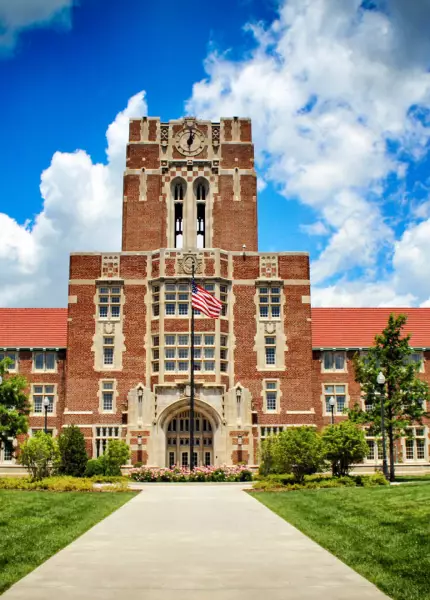


Our graduate programs are based on the model of the empirically-based professional or social scientist. Graduate students learn to conduct research on child development, family studies, and educational environments in accordance with established standards of scientific inquiry and evaluation. Child and family studies graduate programs seek to produce researchers, scholars, and educators who are capable of independent investigation of family and developmental processes. Students also receive training in how to conduct scientifically-based assessments of prevention, intervention and educational strategies. Many opportunities exist in child and family studies for graduate students to become involved in research on children, youth, and families. The central premise of graduate programs in child and family studies is the idea that scientific inquiry provides the most effective means to improve the welfare of children, youth and families.
A cornerstone idea for child and family studies graduate programs is development in context, or the perspective that human development is best understood in terms of interconnections among families, neighborhoods, schools, communities, cultures, and international environments. A more specific focus within this development in context perspective is an emphasis on children, youth, and families at risk. Together, these two themes, development in context and children, youth, and families at risk, are the foundations upon which our graduate curriculum options are structured.