Your guide to know everything you need about studying Aerospace Engineering
What you need to know about Aerospace Engineering
Aerospace Engineering, often humorously referred to as "rocket science," involves the intricate process of building, developing, and testing aircraft and spacecraft. The field is divided into two sub-fields: Aeronautical Engineering, dealing with aircraft, jets, helicopters, and sometimes submarines, and Astronautical Engineering, focusing on the design of rockets and spacecraft for space exploration.
To pursue an Aerospace Engineering degree, a strong understanding of Physics, Mathematics, and Engineering principles is essential. These foundational sciences are crucial for the research and development work undertaken by graduates, enabling a comprehensive grasp of how aircraft and spacecraft maneuver and maintain flight, enhancing the efficiency of flight tests.
Upon completing an aerospace engineering program, individuals are equipped to provide expertise on aircraft function, mechanics, and design. Their knowledge extends to structural design, mechanical integrity, and considerations related to alternative fuels and environmental challenges in the development of aircraft and spacecraft.
As a subfield of Engineering & Technology, Aerospace Engineering shares connections with related fields and courses, including Robotics, Transportation Engineering, Marine Engineering, Automotive Engineering, and Mechatronics.
Aerospace Engineering Careers
Aerospace Engineering Specialisations
Explore related Aerospace Engineering specialisations, including materials science, mechanical engineering, production and manufacturing engineering, structural engineering, and architecture programs.

Materials Science

Mechanical Engineering

Production and Manufacturing Engineering
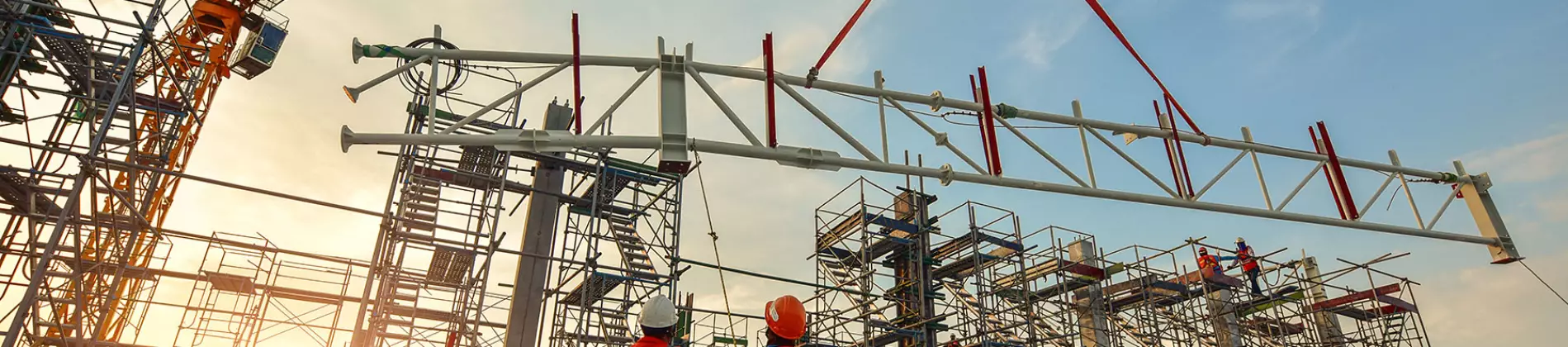
Structural Engineering

Architecture
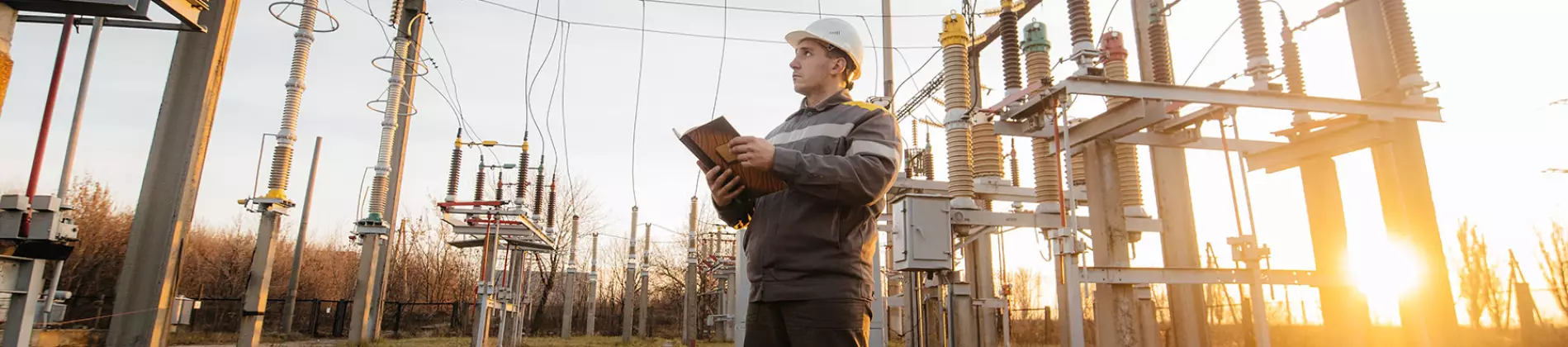
Energy Engineering
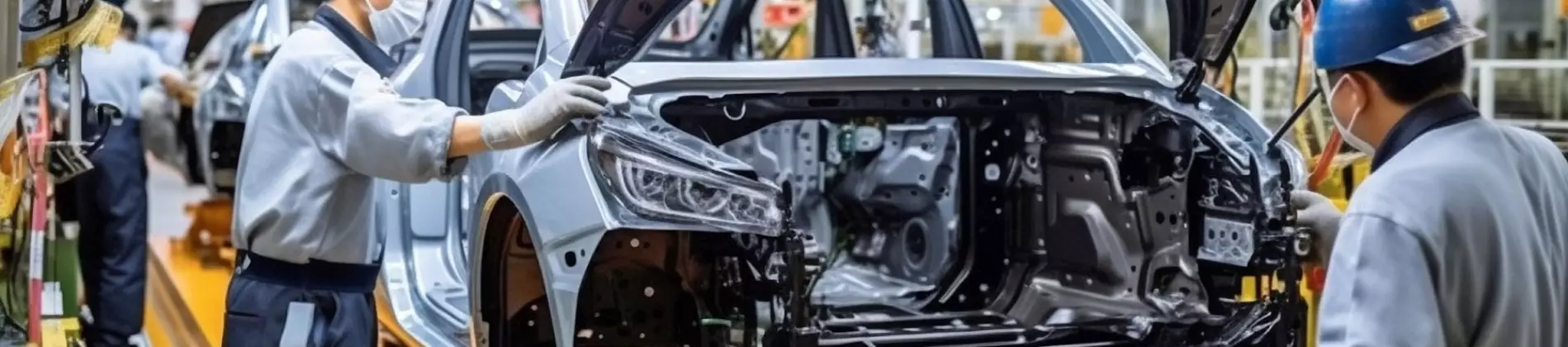
Automotive Engineering

Bio & Biomedical Engineering

Chemical Engineering

Civil Engineering & Construction

Communications Engineering

Electrical Engineering
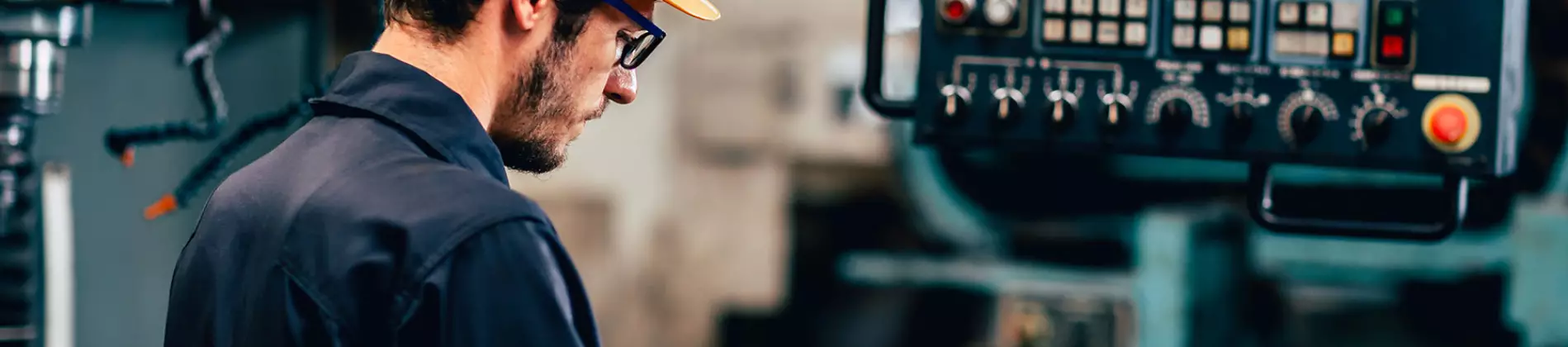
Electronics & Embedded Technology

Environmental Engineering

General Engineering & Technology

Industrial & Systems Engineering

Marine Engineering

Mechatronics

Mining, Oil & Gas

Nuclear Engineering

Robotics

Sound Engineering

Sustainable Energy