Your guide to know everything you need about studying Communications Engineering
What you need to know about Communications Engineering
Communications Engineering delves into understanding the intricacies of communication systems such as GPS, cellular networks, and the Internet. The curriculum of a Bachelor's or Master's program in Communications Engineering encompasses electromagnetics, antennas, analogue and digital circuit design, technical signals and systems, microwave engineering, and wired/wireless networks.
Aspiring communications engineers will explore the functionalities of existing systems and gain the skills to research, test, and implement innovative technologies. Future professionals in this field play a crucial role in designing, creating, and implementing information systems that underpin essential services and technologies like satellite communication and the Internet of Things (IoT). The scope of their work includes negotiation with customers and suppliers, on-site support, and providing technical guidance to colleagues.
Success in communications engineering requires not only a solid technical foundation and hands-on training but also proficiency in analytical thinking, problem-solving, and project management. This discipline equips individuals to contribute significantly to the development and maintenance of the communication infrastructure on which societies depend.
Communications Engineering Careers
Communications Engineering Specialisations
Explore related Communications Engineering specialisations, including materials science, mechanical engineering, production and manufacturing engineering, structural engineering, and architecture programs.

Materials Science

Mechanical Engineering

Production and Manufacturing Engineering

Structural Engineering

Architecture
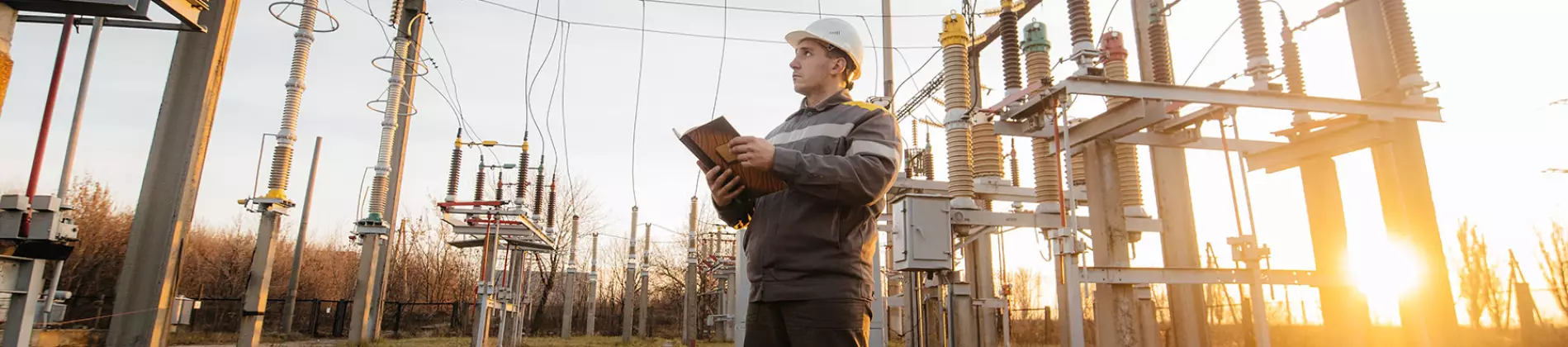
Energy Engineering

Aerospace Engineering
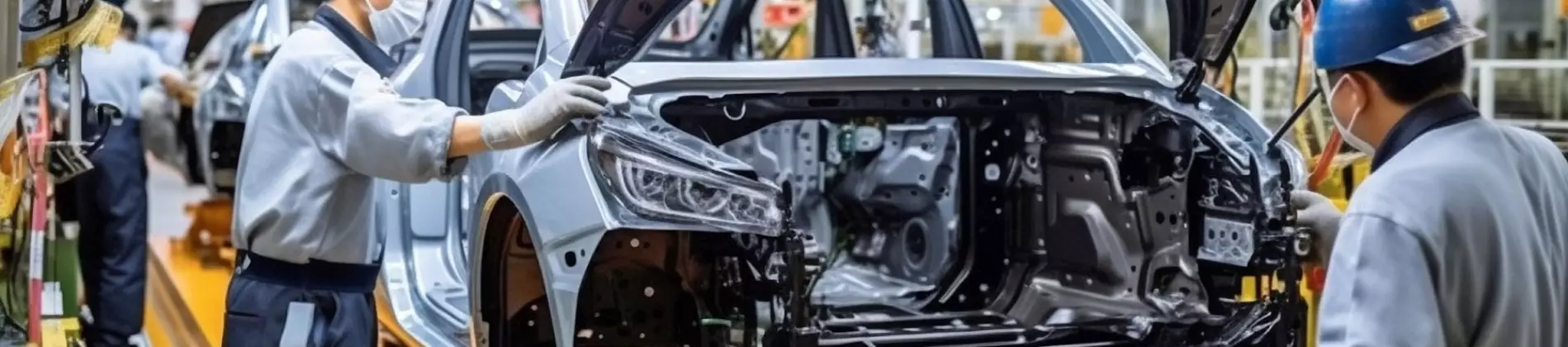
Automotive Engineering

Bio & Biomedical Engineering

Chemical Engineering

Civil Engineering & Construction
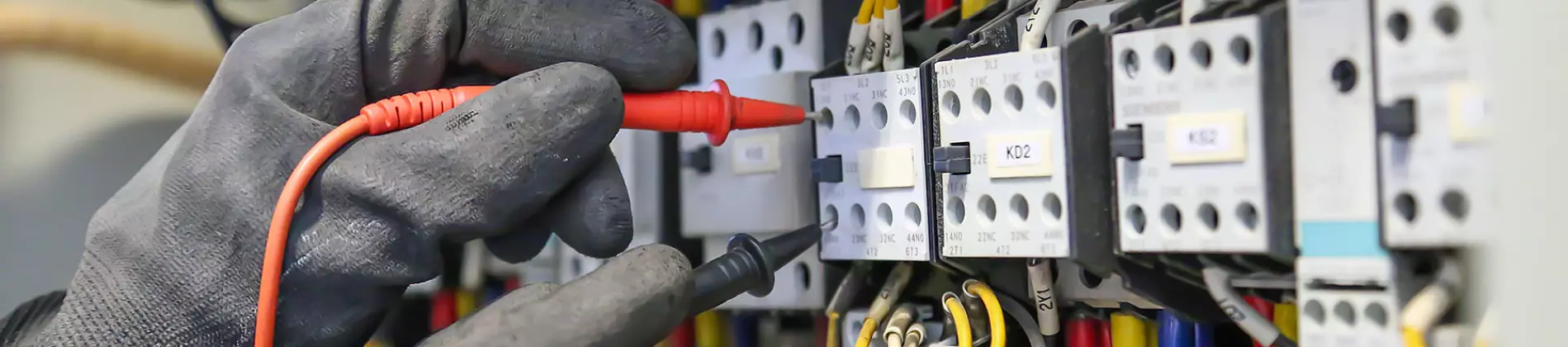
Electrical Engineering

Electronics & Embedded Technology

Environmental Engineering

General Engineering & Technology

Industrial & Systems Engineering

Marine Engineering

Mechatronics

Mining, Oil & Gas

Nuclear Engineering

Robotics

Sound Engineering

Sustainable Energy