



University of Liverpool

Here is all you need to know as an international student!
University of Liverpool Photos


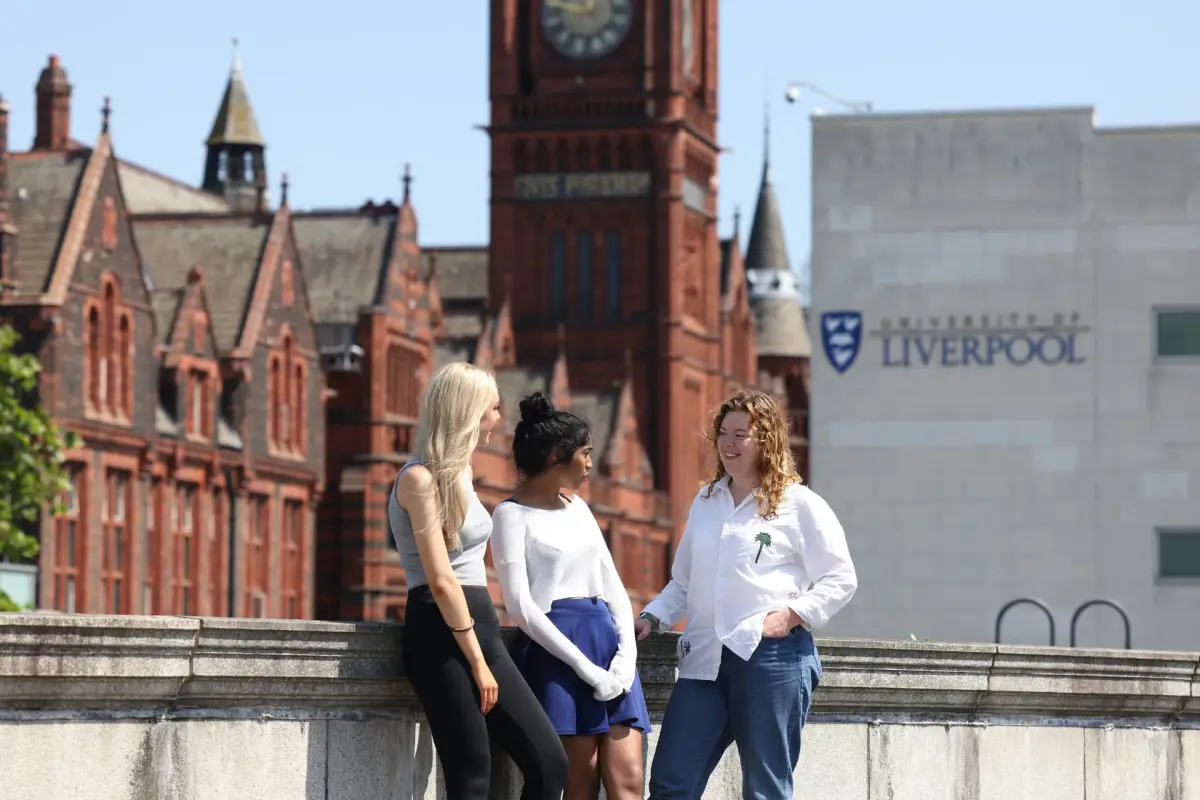
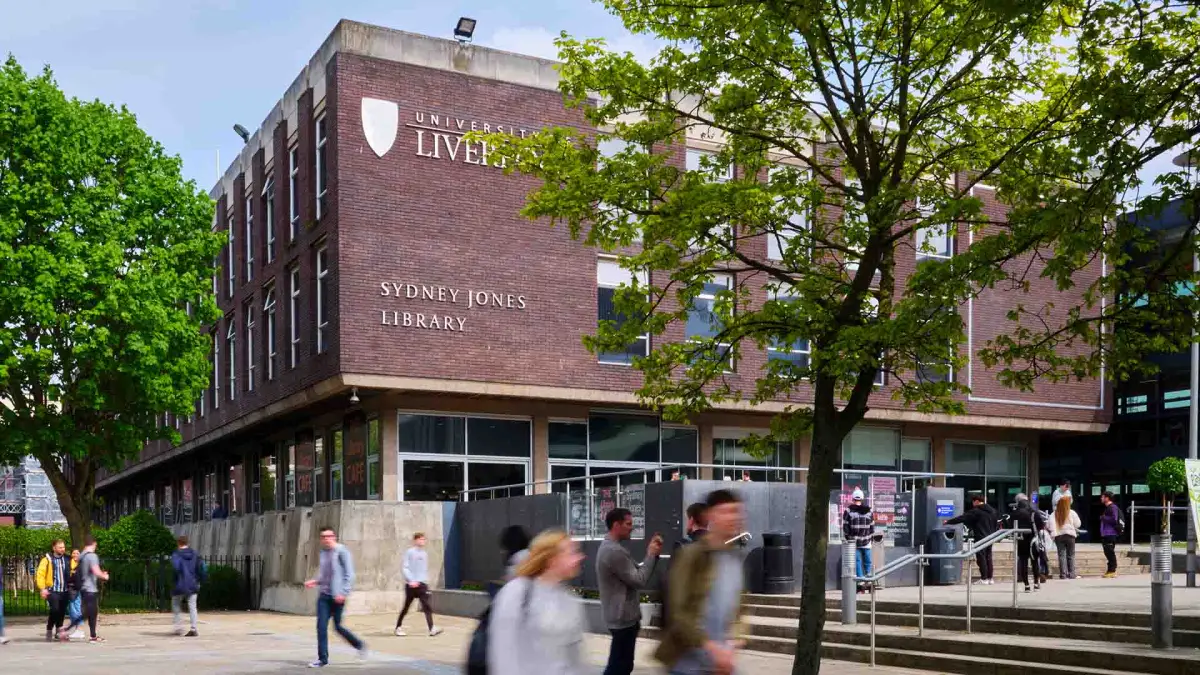
About University of Liverpool
The university is organised into three faculties: Health and Life Sciences; Humanities and Social Sciences; and Science and Engineering. It reports more than 400 courses across different study levels and an international community drawn from 135 countries. Distinctive areas include infection and global health, materials discovery, particle physics, management, veterinary science, architecture, law, computer science and engineering. The university also has a long-standing international partnership with Xi’an Jiaotong University in China.
For an international student, Liverpool’s main attraction is the combination of a Russell Group research environment and a city where living costs are generally lower than in London. That does not make the degree inexpensive: international tuition is substantial, competitive courses have demanding entry requirements, and housing still needs early planning.
Where Is University of Liverpool Located?
The main city campus is centred around Brownlow Hill, close to Liverpool city centre. Students can walk to many university buildings, the Guild of Students, libraries, shops and central neighbourhoods. Liverpool Lime Street railway station is also within practical walking or local-transport distance for most students based around the city campus.
The university also uses specialist locations, including the Leahurst campus on the Wirral for veterinary teaching and Ness Botanic Gardens. Applicants should therefore check the actual teaching location for their course rather than assuming every activity takes place at Brownlow Hill.
Liverpool is a compact, culturally active city with buses, rail services and walkable central districts. It is usually more affordable than London, although rent varies sharply by room type and neighbourhood. The climate is cool, wet and windy compared with Saudi Arabia and the Gulf, so waterproof clothing and winter budgeting are practical necessities rather than minor details.
Programs at University of Liverpool
The examples below show the breadth of the university’s current academic portfolio. Exact availability, degree title, duration and intake should always be checked on the relevant course page because programmes can change.
Faculty of Health and Life Sciences at University of Liverpool
This faculty covers clinical, biomedical, health and animal-science disciplines. Several programmes are professionally regulated or have placement requirements, so admission can involve subject prerequisites, occupational-health checks, interviews or other programme-specific conditions.
- Medicine and Surgery
- Dental Surgery
- Veterinary Science
- Biological Sciences
- Biochemistry
- Psychology
- Pharmacology
- Nursing
- Physiotherapy
- Public Health
Faculty of Humanities and Social Sciences at University of Liverpool
This faculty brings together business, law, architecture, languages, arts and social-science subjects. The Management School holds AACSB, AMBA and EQUIS accreditation, while architecture and law draw on the university’s long civic and professional links.
- Accounting and Finance
- Business Management
- Economics
- Law
- Architecture
- International Relations
- Politics
- Communication and Media
- History
- Modern Languages
Faculty of Science and Engineering at University of Liverpool
The faculty spans laboratory science, computing and multiple engineering disciplines. Many courses offer variants with a year in industry, a year abroad or integrated master’s study, but these routes may change the duration and total cost.
- Computer Science
- Data Science and Artificial Intelligence
- Aerospace Engineering
- Mechanical Engineering
- Civil Engineering
- Electrical and Electronic Engineering
- Chemistry
- Physics
- Mathematics
- Geography
Top Programs at University of Liverpool
The university does not publish one official list of its “top” programmes. The following selection is based on current research strength, professional relevance, demand, accreditation and 2026 subject-ranking indicators, not an internal university ranking.
- Management
- Veterinary Science
- Medicine and Surgery
- Accounting and Finance
- Aerospace Engineering
- Architecture
- Law
- Computer Science
- Data Science and Artificial Intelligence
- Public Health
The Real Cost of Studying at University of Liverpool
Tuition fees for international students
International tuition is course-specific. For 2026/2027, the published annual fee is £27,000 for Accounting and Finance BSc and £32,000 for Aerospace Engineering BEng. These examples show why students should not budget from a single university-wide figure. Laboratory, clinical and engineering courses can cost more than classroom-based degrees, and medical or dental programmes may follow different fee structures.
| Example programme | 2026/2027 international tuition per year | Illustrative tuition over standard duration |
|---|---|---|
| Accounting and Finance BSc | £27,000 | £81,000 over three years if the annual fee did not rise |
| Aerospace Engineering BEng | £32,000 | £96,000 over three years if the annual fee did not rise |
The totals above are simple illustrations, not guaranteed programme prices, because the university states that fees may increase each year. A year in industry, year abroad, integrated master’s route, placement, equipment or fieldwork can also alter the final cost. International applicants accepting most master’s offers will usually need to pay a £2,000 deposit, which is deducted from tuition. Self-funded undergraduate and master’s students can normally pay annual tuition in full or in two instalments split 60% and 40%.
Monthly living costs
The university estimates total monthly living expenses at £900–£1,350, based on feedback from current international undergraduate and master’s students. It separately states that the UKVI maintenance figure for study outside London is £1,171 per month for up to nine months, or £10,539 for an academic year. The immigration minimum is evidence for a visa application; it is not a promise that every student can live comfortably on that amount.
| Expense | University estimate per month |
|---|---|
| University halls, including utilities and Wi-Fi | £688–£1,120 |
| Private accommodation | £450–£800 |
| Private household bills | £50–£200 |
| Food and household necessities | £150–£400 |
| Local transport | £20–£90 |
| Mobile phone | £15–£50 |
| Study costs | £10–£30 |
| Socialising and entertainment | £50–£250 |
A student choosing a studio, eating out frequently or travelling regularly will exceed the lower end. A shared house can reduce rent, but utility bills, deposits and transport should be added. Visa fees and the immigration health surcharge sit outside the normal monthly budget.
Is University of Liverpool Worth the Cost?
It can be worth the cost for a student who wants a research-intensive UK university, values Liverpool’s professional and industry networks, and chooses a programme with clear academic or career relevance. The university reports that 92% of graduates are in employment or further study 15 months after graduation, while its Teaching Excellence Framework rating is Gold. Some programmes also offer industry-year or study-abroad options that can strengthen practical experience.
The decision is less convincing if the student must take on unsustainable debt, is choosing mainly for the Russell Group label, or can access a similarly suitable accredited programme at a lower total cost. International tuition plus three years of living costs can easily exceed £110,000 for some degrees. Medicine, dentistry and regulated health programmes require a separate calculation because duration, placement demands and professional recognition matter more than the general university brand.
Scholarships at University of Liverpool
Funding is competitive and varies by study level, nationality, subject and academic record. Students should never treat an advertised maximum as guaranteed funding.
| University-administered opportunity | Value | Main eligibility | Study level |
|---|---|---|---|
| Liverpool Excellence Scholarship for Postgraduates | £7,000 tuition discount | International postgraduate students with a First Class or equivalent undergraduate degree | Master’s |
| Liverpool Advancement Scholarship | £5,000 tuition discount | Eligible students from specified countries; Saudi Arabia is not listed among the named countries | Master’s |
| Graduate Loyalty Scholarship for International Students | £5,000 tuition discount | International graduates of the University of Liverpool progressing to postgraduate study | Master’s |
| Management School MBA Excellence Scholarship | 50% tuition discount | Eligible applicants to specified MBA programmes for September 2026 | Master’s |
| Duncan Norman Research Scholarship | Significant research funding; current details must be checked | Eligible postgraduate research applicants through a competitive process | Doctoral research |
The university also advertises Liverpool Scholarships worth up to £9,000 for outstanding international students in 2026/2027, but the specific award, eligibility and application route must be checked for the chosen course. Undergraduate international funding is more limited and often tied to particular progression routes or personal circumstances. Applicants should use the university’s scholarship finder and confirm whether an award is automatic or requires a separate application.
Admission Requirements at University of Liverpool
There is no single international entry standard for every course. Undergraduate applicants must show that their school qualification is equivalent to the stated requirements for the chosen degree. Typical A-level offers on many current course pages range around ABB to AAB, but medicine, dentistry, veterinary science and other competitive programmes have their own subject, test, interview and experience requirements. Saudi and GCC applicants should use the university’s country guidance and request confirmation if their exact qualification is not listed.
Students with strong school results who do not yet meet direct undergraduate entry may be eligible for a Foundation Certificate at the University of Liverpool International College. Master’s applicants normally need a recognised bachelor’s degree at the grade stated on the course page. A Pre-Master’s route may be available for some applicants who hold a degree but do not yet meet direct entry.
English requirements vary by programme. The university accepts recognised tests and selected country-specific qualifications and offers pre-sessional English courses. Applicants should not assume one IELTS score applies across the university: the course page is authoritative, and some clinical or language-intensive programmes require higher component scores. Portfolios, written work, interviews, references, a CV or professional experience may also be required for particular programmes.
Most undergraduate applications are submitted through UCAS. For 2027 entry, standard course pages show a 13 January 2027 deadline for UK applicants and 30 June 2027 for international applicants, but early UCAS deadlines apply to medicine, dentistry and veterinary science. Master’s and research applications generally use the university’s own process and can have course-specific closing dates. Apply early where a visa, scholarship or accommodation decision is needed.
Life as an Arab or Muslim Student in Liverpool
Liverpool is a diverse British city, but the daily environment will still involve cultural adjustment for many students arriving from Saudi Arabia or the Gulf. English is the working language, teaching expects independent reading and discussion, winter daylight is short, and social life often includes pubs even though participation is optional. Planning a supportive friendship group early can make the transition easier.
Prayer and mosques
Muslim students should check the current Guild society directory and university faith-support information before arrival, because rooms and arrangements can change by academic year. Liverpool also has established mosques and Muslim community organisations in the wider city. Ask the accommodation team about the most practical route from a proposed hall or private address, especially if regular congregational prayer is important.
Halal food
The university operates several campus cafés and food venues, but students should not assume that every meat option is halal. Check labelling and ask staff at the individual outlet. Liverpool has halal restaurants and grocery options, particularly in central and inner-city areas, and many students cook at home to control ingredients and cost. When renting privately, proximity to supermarkets can matter as much as proximity to campus.
Where Do Students Usually Live in the United Kingdom?
City campus halls: Crown Place, Philharmonic Court, Vine Court and other central halls offer short walks to teaching buildings and utilities included in rent. They suit first-year students who want convenience and an organised student community. The trade-off is a higher monthly cost than some shared private houses.
Greenbank Student Village: Greenbank provides a larger residential campus atmosphere away from the main city campus. It can suit students who prefer more green space and a halls community, but the journey to classes requires bus travel and careful morning planning.
Knowledge Quarter and city centre: Private halls and flats near the university and central Liverpool offer convenience, shopping and transport access. Prices vary widely, studios are usually expensive, and students must inspect contract length, bills and deposit protection.
Wavertree and Smithdown Road: Shared houses in these popular student areas can offer better value and a strong student environment. The disadvantages are commuting time, responsibility for bills and variable property quality. View the property carefully and use the university’s housing advice before signing.
The university offers more than 4,500 rooms. For September 2026 entry, it guarantees accommodation to first-year and foundation-year undergraduate students who apply by 31 August 2026. That guarantee is date- and cohort-specific; postgraduate and late applicants should not assume the same protection.
Your First Month in Liverpool: What Should You Expect?
Complete enrolment, collect or activate required student credentials, attend course induction and check the timetable immediately. International students should also finish any visa-related arrival steps and learn how to access Student Services. Opening a UK bank account can take time, so keep a secure payment method and enough accessible funds for initial costs.
Buy an appropriate SIM plan, identify the nearest supermarket, practise the route to lectures and understand bus payment. If you live in private accommodation, photograph the room and inventory on arrival and report defects in writing. Register with a local doctor and learn how urgent and non-urgent healthcare works.
Academic expectations may feel different: lecturers often expect substantial independent study, careful referencing and active seminar participation. Use library and study-skills support before the first assignment. Liverpool’s rain and changing temperatures can also surprise GCC students; layered clothing, a waterproof coat and suitable shoes are practical first-week purchases.
Ramadan While Studying
Ramadan may overlap with teaching, assessment or examination periods depending on the year. Day length in Liverpool changes greatly by season, so fasting hours can differ significantly from one academic year to another. Check the academic calendar, prayer times and local community arrangements before the month begins.
Student societies and local mosques may organise iftars or prayers, but schedules should be confirmed each year. Plan meals, sleep and revision early, especially when laboratory, clinical or placement attendance is compulsory. Do not assume deadlines or examinations will automatically move; discuss any religious-observance concern with the university in advance through the appropriate student-support or academic channel.
Working While Studying and After Graduation
A Student visa may permit work, but the exact conditions appear on the student’s immigration status and depend on the course and sponsor. Degree-level students are commonly limited to 20 hours per week during term time and may work full-time during official vacations, but students must follow the restriction shown on their own eVisa and the university’s defined term dates. Self-employment and work as a professional sportsperson are prohibited on the Student route.
Part-time work can support experience and some daily costs, but it should not be used to fund tuition or satisfy visa maintenance evidence. Common student roles include hospitality, retail, university ambassador work and administrative support. The university’s Careers and Employability service provides guidance, and some degrees offer a formal year in industry.
The Graduate visa rules changed for applications from 1 January 2027. Eligible bachelor’s and master’s graduates applying on or after that date can stay for 18 months; eligible doctoral graduates can stay for three years. The Graduate visa cannot be extended, although a graduate may later switch to another eligible route such as Skilled Worker. Immigration rules can change, so students should check current government guidance close to graduation.
Three Weaknesses You Should Know
- The total international cost is high. Liverpool may be cheaper than London, but annual tuition of £27,000–£32,000 for representative courses, plus housing and visa costs, still produces a large overall budget.
- Housing quality and convenience vary. Central halls are convenient but can be expensive, while cheaper private houses may involve commuting, bills and inconsistent standards. Late applicants have fewer choices.
- A large research university requires independence. Students who expect constant personal supervision may find large cohorts, self-directed study and complex university systems demanding, particularly during the first semester.
Quick Comparison With Other Universities
| University | Latest comparable global indicator | City-cost context | Academic profile |
|---|---|---|---|
| University of Liverpool | QS 2027: 139 | Generally below London; housing choice matters | Broad Russell Group university with health, science, engineering and humanities |
| University of Manchester | Higher global ranking band | Manchester rents can be higher | Very large research university with broad STEM and professional strengths |
| University of Leeds | Higher global ranking band | Large student city with varied rents | Broad Russell Group alternative with strong business, engineering and humanities |
| University of Sheffield | Similar broad research profile | Often competitive outside London | Strong engineering, architecture and research environment |
| Liverpool John Moores University | Different global and research profile | Same city market | More applied alternative with different course and entry options |
Considering Other Universities in Liverpool?
Liverpool John Moores University is the main large local alternative and may appeal to students seeking different entry requirements, applied teaching or a particular professionally focused course. Liverpool Hope University offers a smaller setting and a different subject mix. Compare the exact programme, accreditation, tuition, placement design and campus location rather than choosing only by city or league-table position.
Who Is University of Liverpool For — and Who Is It Not For?
The university is well suited to students who want a broad research university, can manage independent learning, value a lively city, and have a realistic budget for UK study. It can be especially attractive for applicants interested in veterinary science, management, health, law, architecture, engineering or data-focused subjects, provided the exact programme matches their goals.
It may not be ideal for students who want a small college atmosphere, guaranteed close supervision, warm weather or the lowest possible tuition. It is also a poor choice when the student has not confirmed professional recognition in the country where they intend to work. Saudi and GCC applicants considering medicine, dentistry, health professions, architecture, engineering or law should check recognition and licensing requirements before paying a deposit.
Before Rankings: Ask Yourself These Questions
- Does the exact course include the modules, accreditation and practical experience I need?
- Can my family fund tuition increases as well as at least £900–£1,350 per month for living costs?
- Would I prefer central halls, Greenbank or a private shared house?
- Am I comfortable with independent study and a large university system?
- Is the degree recognised by the relevant professional authority in my home country?
- Would a lower-cost university provide a similar career result?
- Do Liverpool’s climate, city lifestyle and travel distance from the Gulf suit me?
- What evidence do I have that the course, rather than the university name alone, supports my career plan?
University of Liverpool Ranking
QS World University Rankings 2027 for University of Liverpool
University of Liverpool is ranked 139th in the QS World University Rankings 2027, rising from joint 147th in the 2026 edition.
The Times Higher Education World University Rankings 2026 for University of Liverpool
The university is ranked 143rd in the Times Higher Education World University Rankings 2026. Subject positions differ from the overall result; for example, Medical and Health is ranked 85th in the 2026 subject table.
The Academic Ranking of World Universities 2026 for University of Liverpool
University of Liverpool is placed in the 151–200 band in ARWU 2026. ShanghaiRanking’s 2026 subject results place Management 25th and Veterinary Sciences 33rd globally, which helps explain their inclusion among the university’s notable strengths.
These rankings use different methods and years. They are useful as broad research and reputation indicators, but they do not measure whether a specific course, city or budget is right for one student.
Similar Universities to University of Liverpool
- University of Leeds: a large Russell Group university in a major northern English city with a similarly broad subject portfolio.
- University of Sheffield: a useful comparison for engineering, architecture and a lower-cost city outside London.
- Newcastle University: another civic Russell Group university with strong medicine, science and engineering in a compact regional city.
- Cardiff University: a broad research-intensive university with health, engineering and humanities strengths in a capital-city setting.
- University of Glasgow: a larger-city Russell Group alternative with an extensive academic range and a distinct Scottish degree structure.
Questions Students Ask Often
Is University of Liverpool suitable for Saudi students?
It can be, particularly for students seeking a Russell Group environment in a comparatively affordable UK city. Suitability depends on course recognition, budget, English readiness and comfort with independent study.
How much is international tuition?
Fees vary by course. Published 2026/2027 examples include £27,000 per year for Accounting and Finance BSc and £32,000 for Aerospace Engineering BEng. Always check the chosen course.
What English score do I need?
There is no single university-wide score. Requirements and component minimums vary by course, and recognised tests or pre-sessional routes may be available.
Is accommodation guaranteed?
For September 2026, first-year and foundation-year undergraduates who apply by 31 August 2026 receive a university accommodation guarantee. Other cohorts and later applicants should verify their position.
Can international students work?
Many degree-level Student visa holders can work up to 20 hours per week in term time, but the individual’s immigration conditions and official term dates control. Work should not be the main funding plan.
Does the university offer scholarships?
Yes. Current examples include the £7,000 Liverpool Excellence Scholarship for eligible international postgraduates and other level-, country- or subject-specific discounts. Awards are not guaranteed.
Is halal food available?
Halal restaurants and grocery options are available in Liverpool, but not every campus food item is halal. Check labels and ask individual outlets.
What are the strongest subject areas?
Current indicators highlight management and veterinary science, while the university also has established strengths across health, law, architecture, engineering, computer science and physical sciences.
A Message for Parents
University of Liverpool offers a recognised research environment, a structured accommodation system and broad student support, but the student will still need independence. Families should build a full multi-year budget, discuss housing and emergency funds, and confirm professional recognition before committing. Liverpool is generally less expensive than London, yet tuition, immigration charges and rent remain significant. Academic fit and a realistic career plan are more important than the Russell Group name alone.
Need Help Applying to University of Liverpool?
YouApply can help students compare universities and programmes, understand published admission requirements, review tuition and scholarship information, and organise their application options. Students should still rely on the university’s current offer conditions and official immigration guidance for final decisions.
Apply Now! for University of Liverpool
1. Choose a Course
Compare the official course title, modules, duration, teaching location, professional accreditation, placement options and 2026/2027 fee. For medicine, dentistry, veterinary science, architecture and regulated health courses, note tests, interviews, portfolios or placement conditions early.
2. Check Your Eligibility
Match your school or bachelor’s qualification to the university’s country and course requirements. Check the exact English test and component scores. If direct entry is not available, consider whether a Foundation Certificate, Pre-Master’s or pre-sessional English route is appropriate.
3. Gather Your Documents
Prepare a valid passport, academic transcripts, certificates and English-language evidence. Depending on the course, you may also need a personal statement, academic references, CV, portfolio, work-experience evidence, test result or interview preparation. Certified translations may be required for documents not issued in English.
4. Check Your Finances
Budget for tuition, possible annual increases, £900–£1,350 per month in living costs, visa charges, the immigration health surcharge, travel, deposits and course-specific equipment. Confirm scholarship eligibility separately and do not deduct an award from the budget until it is formally confirmed.
5. Submit Your Application
Submit most undergraduate applications through UCAS and observe the earlier deadline for medicine, dentistry and veterinary science. Master’s and research applicants generally apply through the university’s own system. Review the offer carefully, meet every academic and financial condition, arrange the required tuition deposit where applicable, and apply for accommodation and the Student visa in good time.

Need help applying to University of Liverpool in United Kingdom?
YouApply academic advisors help international students compare programs, understand admission requirements, prepare university applications, and plan student life in United Kingdom. Our academic consultation service is completely free for students.
University of Liverpool FAQs
University of Liverpool Ranking

Best Global Universities Rankings -2025-2026 for University of Liverpool
University of Liverpool ranking is #137 globally in the Best Global Universities Rankings -2025-2026.



Top Programs at University of Liverpool
Explore undergraduate and postgraduate programs at University of Liverpool.
- Anatomy and Human Biology
- Biochemistry
- Biological Sciences
- Bioveterinary Science
- Geology with Physical Geography
- Pharmacology
- Zoology
- Accounting and Finance
Scholarships at University of Liverpool for International Students
Explore scholarships at University of Liverpool including merit-based and need-based funding options.
- ULMS Women in Football Scholarship at University of Liverpool
- The Divock Origi Scholarship at University of Liverpool
- ULMS MBA Latin America Excellence Scholarship at University of Liverpool
- ULMS MBA Excellence Scholarship at University of Liverpool
- Care Leavers Opportunity Bursary at University of Liverpool
- Estranged Students Bursary at University of Liverpool
- Mature Student Bursary at University of Liverpool
- Asylum Seekers Scholarship at University of Liverpool
- The Young Adult Carer's (YAC) Bursary at University of Liverpool
- Sarah Barrow Bursary in Music 2023/24 at University of Liverpool
Similar Universities to University of Liverpool
Discover similar universities in the same country based on academic rankings and programs.