


The University of Manchester

Here is all you need to know as an international student!
The University of Manchester Photos

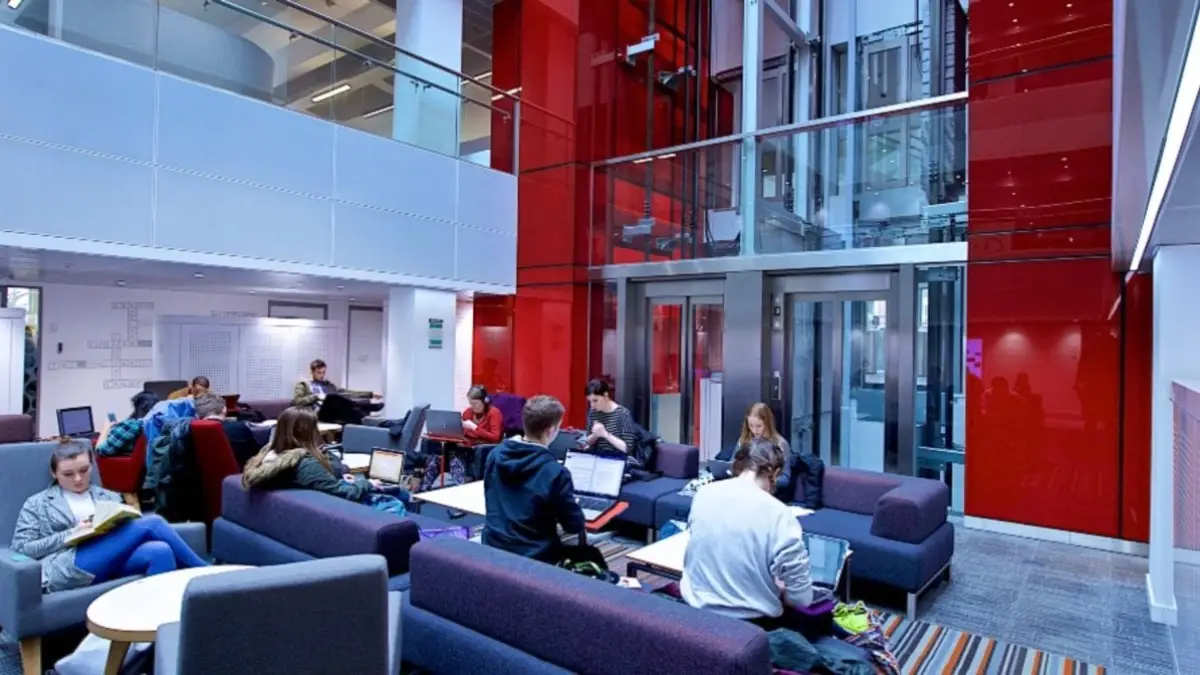
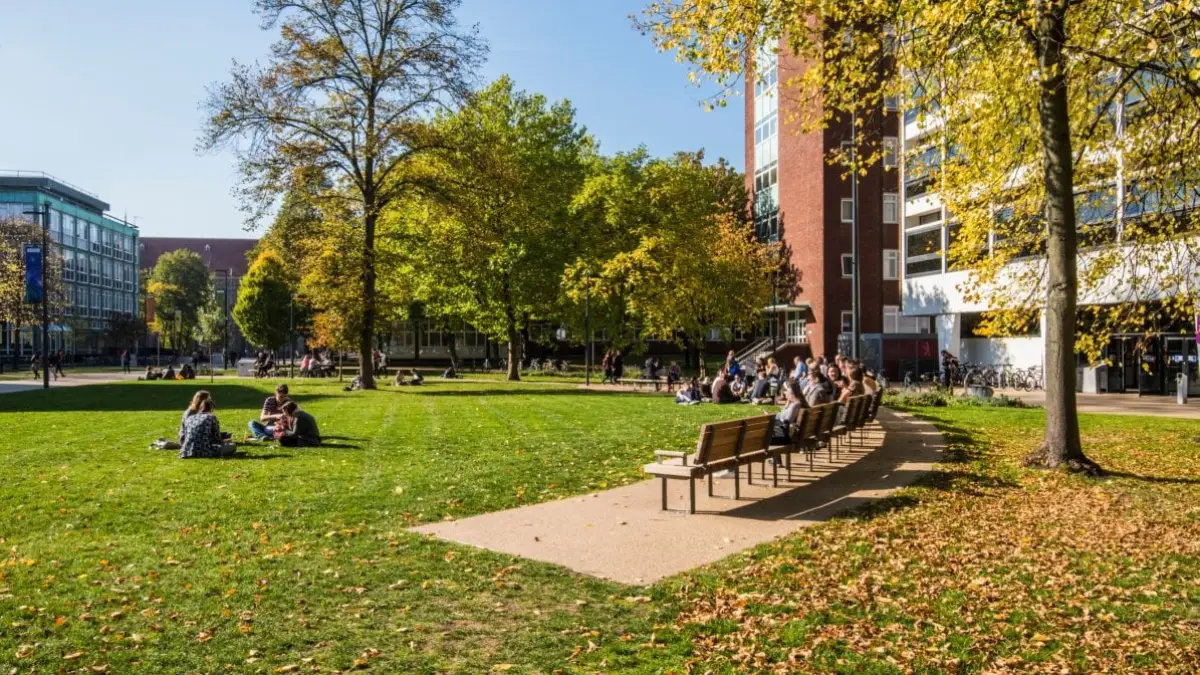
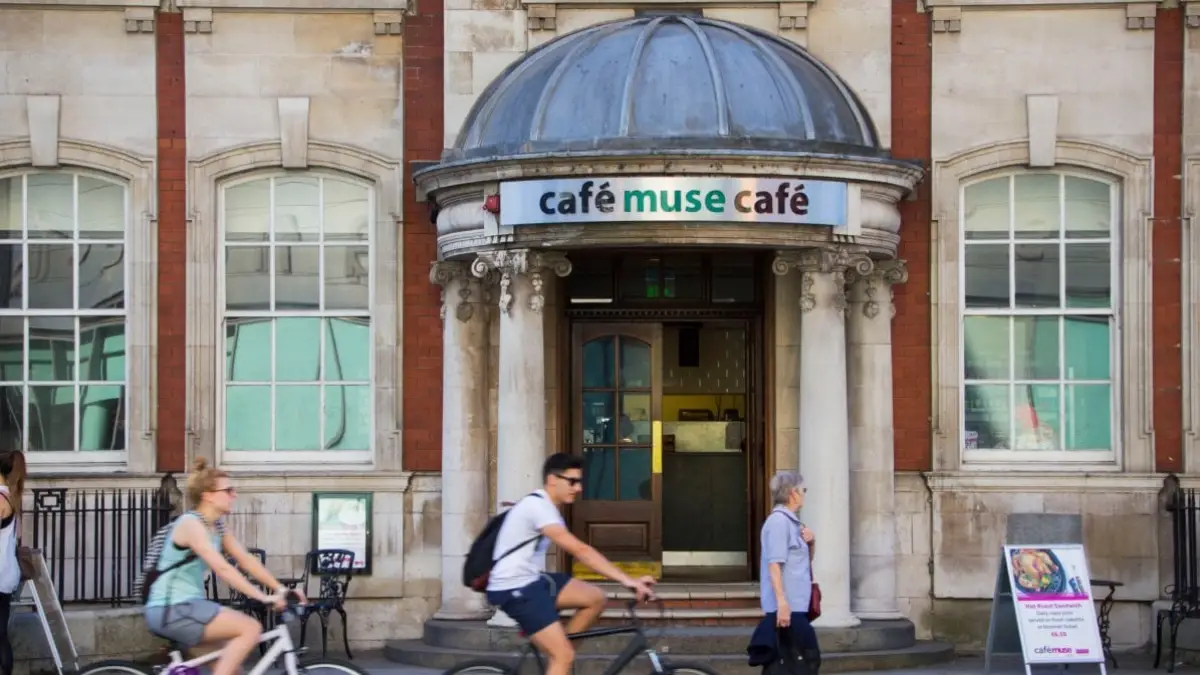

About The University of Manchester
Manchester is especially distinctive for the scale of its research community and the breadth available within one institution. The university reports 26 Nobel laureates among current and former staff and alumni, and its history is associated with work such as the development of the first stored-program computer and major advances in physics, chemistry, economics, and medicine. For an international student, that scale creates access to specialist facilities, a very large library system, employers, student societies, and subjects that smaller universities may not offer. It also means that students must be comfortable navigating a busy institution and taking responsibility for their own academic planning.
The university is internationally oriented, but applicants should judge it course by course. Entry standards, teaching methods, accreditation, fees, and professional placement options differ substantially between Medicine, Engineering, Computer Science, Management, Law, and the humanities. The strongest reason to choose Manchester is therefore not its name alone; it is the combination of a suitable course, a major student city, and research strength that matches the student's goals.
Where Is the University of Manchester Located?
The main academic campus runs along Oxford Road, immediately south of Manchester city centre. Most teaching buildings, libraries, laboratories, the Students' Union, Manchester Museum, and major health and research facilities are concentrated in or near this corridor. Students can walk or cycle between many university buildings, while frequent buses connect Oxford Road with the centre, Victoria Park, Rusholme, and Fallowfield.
Manchester is one of the UK's largest student cities and has extensive rail, tram, bus, and air connections. Manchester Piccadilly and Oxford Road stations connect the city with other parts of the UK, and Manchester Airport is useful for international travel. The city offers music, sport, museums, shopping, restaurants, and a substantial graduate labour market. It is generally less expensive than central London, but accommodation demand is high and rents can still take a large share of a student budget.
Daily life is urban rather than campus-isolated. This suits students who want independence and access to a large city, but it also brings traffic, busy public transport, wet weather, and competition for housing. A student choosing between university halls and private renting should compare the full weekly cost, contract length, utilities, transport, and distance from Oxford Road.
Programs at the University of Manchester
The university organizes its academic activity through three broad faculties: Biology, Medicine and Health; Science and Engineering; and Humanities. The examples below show representative undergraduate options rather than every course. Applicants should use the exact course profile for their intended entry year because titles, pathways, and availability can change.
Faculty of Biology, Medicine and Health at the University of Manchester
This faculty covers clinical training, biomedical science, health professions, psychology, and biological research. Professional courses have additional selection, health, placement, and regulatory requirements.
- MBChB Medicine
- BDS Dentistry
- MPharm Pharmacy
- BSc Biomedical Sciences
- BSc Biological Sciences
- BSc Psychology
- BNurs Adult Nursing
Faculty of Science and Engineering at the University of Manchester
Science and engineering are major parts of Manchester's academic identity. Students can find laboratory-based science, computing, mathematics, materials, and several engineering routes, with some subjects offering industrial experience or integrated master's options.
- BSc Computer Science
- BEng Chemical Engineering
- BEng Mechanical Engineering
- BEng Electrical and Electronic Engineering
- BEng Civil Engineering
- BSc Physics
- BSc Chemistry
- BSc Mathematics
- BSc Earth and Planetary Sciences
- BSc Materials Science and Engineering
Faculty of Humanities at the University of Manchester
The Faculty of Humanities includes Alliance Manchester Business School as well as social sciences, law, education, environment, arts, languages, and cultures. Course structures range from professionally oriented business degrees to essay-based humanities programs.
- BSc Management
- BSc International Management
- BSc Economics
- BA Economics and Politics
- LLB Law
- BA Politics and International Relations
- BA Architecture
- BA English Literature
- BA History
- BA Modern Language and Business and Management
Top Programs at the University of Manchester
The university does not publish one official internal ranking of its degrees. The following selection reflects research strength, professional relevance, employer interest, specialist facilities, and the university's established academic profile. It is not a guarantee that these courses are the best fit for every applicant.
- MBChB Medicine
- BSc Computer Science
- BEng Chemical Engineering
- BEng Mechanical Engineering
- BSc Physics
- BSc Materials Science and Engineering
- BSc Management
- BSc Economics
- BSc Psychology
- LLB Law
The Real Cost of Studying at the University of Manchester
Tuition fees for international students
There is no single international tuition fee that applies to every Manchester course. The university publishes the annual fee on each course profile, and laboratory, clinical, and professionally intensive programs can cost more than classroom-based subjects. Applicants should check the page for the exact course and entry year, then confirm whether the quoted amount is fixed for the duration of study or may increase. Medicine, Dentistry, integrated master's routes, placements, fieldwork, and years abroad may follow different arrangements.
A realistic financial plan should multiply the verified annual fee by the normal course length and then add accommodation, food, transport, visa costs, the immigration health surcharge, flights, books, equipment, and possible placement expenses. A scholarship should not be deducted until it has been formally awarded.
Monthly living costs
The official university accommodation search shows rooms across several halls starting at different weekly prices, with examples from about £142 per week for a shared-bathroom self-catered room to about £263 per week for some en-suite city options. These are starting prices, not a guarantee that the cheapest room will be available. Catering, bathroom type, location, contract length, and room standard all affect the total.
For Student visa purposes, the current UK financial requirement for study outside London is £1,171 per month for up to nine months, in addition to the course fee shown on the Confirmation of Acceptance for Studies. That is an immigration evidence threshold, not a promise that every student can live comfortably on that amount. A personal budget should allow for groceries, local transport, phone service, laundry, study materials, clothing for wet and cold weather, and occasional travel. Private tenants must also examine deposits, utilities, internet, and contract dates.
Is the University of Manchester Worth the Cost?
Manchester can represent strong value for a student who wants a globally recognized research university, a wide subject choice, and access to a large UK city without paying London-level living costs. Its careers position is a genuine advantage: the university reports that it was the UK's most targeted university by the top 100 graduate recruiters in the 2026 High Fliers report and fifth among UK institutions in the 2026 Times Higher Education employability ranking.
Value is less clear when a student is borrowing heavily, has received a much larger scholarship elsewhere, or mainly wants small classes and a quiet residential campus. Rankings do not make a high fee affordable, and a famous university cannot remove the need to build experience, communicate well, and compete for internships. Compare Manchester's total three- or four-year cost with universities such as Leeds, Birmingham, Sheffield, Bristol, and Edinburgh, using the exact course rather than the institution as a whole.
Scholarships at the University of Manchester
The university offers several merit-based and targeted awards, but eligibility is specific. For September 2027 entry, the Global Futures Scholarships provide more than 350 partial merit awards for eligible international undergraduate and master's students, with total funding exceeding £6 million. Applicants must live in an eligible country, hold an offer for a full-time on-campus Manchester course, and follow the regional application process. Saudi Arabia and the United Arab Emirates are on the published country list; this should not be interpreted as automatic eligibility for every GCC resident.
Relevant offer-holders receive the application form, while award value, criteria, and deadlines differ by region. The university also lists its Humanitarian Scholarship for undergraduate study and separate opportunities such as sport scholarships and faculty-specific awards. Master's funding includes additional schemes, but these should not be assumed to apply to undergraduate applicants. Funding is competitive and partial in many cases, so students should prepare a plan that works without an award.
Admission Requirements at the University of Manchester
Undergraduate applications are normally made through UCAS. Academic requirements are set by course and by the qualification presented. For the International Baccalaureate Diploma, the university states that typical offers are generally between 30 and 39 points with three Higher Level subjects, while individual degrees may require particular subjects and higher scores. International applicants should use the university's country pages and course profile together; a general country equivalence does not replace a course prerequisite.
English requirements also vary. The university indicates that undergraduate programs commonly require the equivalent of IELTS 6.0 to 7.0, while foundation courses may use 5.5. Individual profiles specify overall and component scores. Accepted tests include IELTS Academic, PTE Academic, TOEFL iBT, Cambridge English qualifications, and other listed alternatives, subject to the university's current rules. Most test results must be valid at the start of the course.
Medicine, Dentistry, Architecture, and other selective or professionally regulated courses may require admissions tests, interviews, portfolios, health checks, background checks, relevant experience, or earlier deadlines. Applicants should never transfer the requirements of one Manchester course to another. A strong predicted grade does not remove these additional conditions.
Cultural and Religious Life for Arab and Muslim Students in Manchester
Manchester is culturally diverse and has established Muslim communities, which can make adjustment easier than in a smaller UK town. The Oxford Road and Rusholme areas offer international groceries and restaurants, while the Students' Union supports many cultural and faith societies. Students should still expect differences in teaching style, weather, social life, food labelling, and daily routines.
Prayer and mosques
The university provides multi-faith and prayer provision, and Muslim student groups organize religious and community activities. There are also mosques in the wider city, including around Rusholme and south Manchester. Facilities and access arrangements can change, so a student with a tight timetable should check the nearest current prayer space for their teaching buildings and accommodation.
Halal food
Halal food is widely available in parts of Manchester, particularly around Rusholme and the Curry Mile, and supermarkets stock halal and international products. Students should verify certification or ask the restaurant when this matters; the presence of a diverse food scene does not mean every campus outlet or every menu item is halal. Self-catered housing gives greater control over ingredients and cost.
Where Do Students Usually Live in the United Kingdom?
City campus: University halls here place students close to Oxford Road teaching, libraries, the Students' Union, and the centre. The university describes the area as about 0.3 miles from the academic campus, roughly a ten-minute walk. It suits students who prioritize convenience, but city options may cost more and feel busier.
Victoria Park: This greener residential area lies between the academic campus and Fallowfield. University guidance places its residential campus about 1.1 miles from the academic campus, with an estimated eighteen-minute walk or short bus ride. It can suit students seeking a quieter setting while remaining close to Rusholme and university facilities.
Fallowfield: Fallowfield is a well-known student district with shops, cafés, social life, and sports access. The university places its residential campus about 1.9 miles from the academic campus, with an estimated fifteen-minute bus journey. It offers a strong student atmosphere, but commuting and noise can be drawbacks.
Rusholme: Private shared housing around Rusholme can be convenient for Oxford Road and useful for halal food and international groceries. Quality and contract terms vary widely, so students should inspect the property, verify licensing and bills, and avoid paying before checking the landlord or agent.
All new full-time undergraduates and international postgraduate students are guaranteed an offer of a room in university halls under the university's published guarantee, subject to the stated application conditions and deadlines. An offer is not the same as a specific preferred hall or the cheapest room.
Your First Month in Manchester: What Should You Expect?
- Complete university registration, collect any required documents, and attend course induction.
- Learn the Oxford Road campus layout before teaching begins; the institution is large and buildings may be spread out.
- Open a UK bank account if needed and arrange a local SIM after comparing student plans.
- Understand bus routes between the centre, campus, Victoria Park, Rusholme, and Fallowfield.
- Record rent dates and separate essential spending from optional social costs.
- Buy waterproof clothing and prepare for shorter winter daylight and frequent rain.
- Join academic, cultural, faith, or sports societies early, but leave enough time for independent study.
- Use university support promptly if homesickness, health, disability, or academic adjustment becomes difficult.
Ramadan While Studying
Ramadan can overlap with teaching, coursework, examinations, or long spring and summer days in the UK. Muslim student groups and local mosques may organize prayers and community iftars, but arrangements vary each year. Students should check the academic calendar, plan meals and sleep carefully, and speak to the appropriate university team early if fasting affects a health condition or a specific assessment situation. They should not assume that deadlines or examinations will automatically change.
Working While Studying and After Graduation
International students may be able to work during study, but the exact permission appears on their immigration status and depends on the course and sponsor. Degree-level Student visa holders are commonly permitted up to 20 hours a week during term time and full-time work during official vacations, with restrictions including no self-employment and no work as a professional sportsperson. Students must follow the condition actually granted to them and should not plan to fund tuition through part-time work.
Manchester's Careers Service supports applications, employer events, placements, and career planning, while the city has opportunities in health, technology, finance, professional services, media, engineering, retail, and hospitality. Competition remains substantial, and not every course includes a placement.
After successful completion of an eligible course, graduates may qualify for the UK Graduate visa. Current government rules provide two years for applications made on or before 31 December 2026 and eighteen months for applications made on or after 1 January 2027; doctoral graduates receive three years. Immigration policy can change, so students should recheck the official rules close to graduation.
Three Weaknesses You Should Know
- High total cost: International tuition, accommodation, visa charges, healthcare surcharge, travel, and daily costs create a large multi-year commitment even though Manchester is usually cheaper than London.
- Scale and competition: A large research university can feel impersonal. Popular courses, societies, internships, and housing attract heavy demand, and students may need to seek help proactively.
- Housing and city pressures: Affordable rooms are not unlimited. Longer commutes, variable private housing quality, urban noise, and wet weather can affect daily comfort.
Quick Comparison with Other Universities
| University | Latest global reference | City and cost context | Academic character |
|---|---|---|---|
| University of Manchester | QS 2027: 40 | Large, comparatively affordable UK city, but rising rent | Broad research university with major science, engineering, health, business, and humanities strengths |
| University of Edinburgh | Highly ranked global research university | Capital city with significant housing pressure | Broad academic range and strong international profile |
| University of Bristol | Highly ranked UK research university | Popular southern city with high housing costs | Strong science, engineering, social sciences, and professional subjects |
| University of Leeds | Russell Group research university | Large northern student city | Broad course choice and strong campus community |
| University of Birmingham | Russell Group research university | Large, diverse city with a self-contained main campus | Broad research and professional portfolio |
Considering other universities in Manchester?
Manchester Metropolitan University offers a different admissions profile and a more applied emphasis in many subjects, while the University of Salford may appeal to students seeking particular industry-linked courses and access to MediaCity. They are not direct substitutes in every field, so compare course accreditation, modules, fees, and placement design.
Who Is the University of Manchester For — and Who Is It Not For?
Manchester is well suited to independent students who want a large research environment, extensive subject choice, an urban lifestyle, and contact with major employers. It can work particularly well for students whose intended field matches the university's research and professional strengths and who will use societies, careers resources, libraries, and project opportunities actively.
It may not be ideal for someone seeking a small college atmosphere, guaranteed close contact in every class, quiet surroundings, or a low-cost degree. Students who dislike rain, crowded transport, or arranging housing early may also find the city demanding. A substantial scholarship or a more specialized course elsewhere can be a better decision even when the other university ranks lower overall.
Before Rankings: Ask Yourself These Questions
- Does the exact Manchester course contain the modules, accreditation, and practical experience I need?
- Can my family fund the full degree without relying on uncertain work or scholarships?
- Do I meet every subject, English, test, interview, and deadline requirement?
- Would I prefer city, Victoria Park, Fallowfield, or private accommodation?
- Am I comfortable studying independently in a large institution?
- Does Manchester's graduate market support my goals, and will my qualification be recognized at home?
- Would Leeds, Birmingham, Bristol, Edinburgh, or a specialist university offer better value for my course?
University of Manchester Ranking
QS World University Rankings 2027 for the University of Manchester
The University of Manchester is ranked 40th in the world, 11th in Europe, and 7th in the UK in the QS World University Rankings 2027.
The Times Higher Education World University Rankings 2026 for the University of Manchester
Times Higher Education ranks Manchester 56th in the world and 8th in the UK for 2026. It is also first in the 2026 Times Higher Education Sustainability Impact Ratings.
The Academic Ranking of World Universities 2026 for the University of Manchester
The 2026 Academic Ranking of World Universities places Manchester 51st globally, 13th in Europe, and 6th in the UK. Different tables measure different things, so these positions should support course research rather than replace it.
Similar Universities to the University of Manchester
University of Edinburgh: A realistic comparison for students seeking a globally visible UK research university with a broad portfolio and a major international city.
University of Bristol: Comparable for strong research, competitive entry, and respected science, engineering, social science, and professional courses, though Bristol's housing costs may be higher.
University of Leeds: A useful northern England comparison with a large student population, broad course choice, and a city-based university experience.
University of Birmingham: Another large Russell Group institution offering a wide range of research and professional subjects in a diverse UK city.
University of Sheffield: Worth comparing for engineering, science, architecture, and social sciences, often with a somewhat smaller-city feel.
Questions Students Ask Often
Is the University of Manchester suitable for Saudi and GCC students?
It can be, particularly for students wanting a large international university, established Muslim communities, halal food options, and direct relevance to globally recognized fields. Students should still verify sponsorship recognition, total cost, and course-specific entry rules.
What IELTS score does Manchester require?
Requirements vary by course. Undergraduate programs commonly fall around IELTS 6.0 to 7.0, with component conditions, while some foundation routes may use 5.5. The course profile is decisive.
Is university accommodation guaranteed?
The university publishes a guarantee of a room offer for new full-time undergraduates and international postgraduate students who meet the stated conditions and deadlines. It does not guarantee a particular hall, room type, or price.
Is Manchester cheaper than London?
It is generally less expensive, especially for accommodation, and UK visa rules use the lower outside-London maintenance requirement. However, rent is still significant and the cheapest rooms are competitive.
Does Manchester offer scholarships to Saudi students?
Saudi Arabia is included in the 2027 Global Futures country list. Applicants need an eligible offer and must satisfy the Saudi regional criteria and deadline; funding is competitive and not automatic.
Can international students work?
Many degree-level Student visa holders can work up to 20 hours per week in term time and full time in official vacations, subject to the conditions on their immigration status.
What are Manchester's strongest academic areas?
Its established strengths include engineering, materials, computer science, physics, life sciences, medicine, business, economics, and social sciences, but fit should be judged from the specific curriculum and professional goals.
How do international undergraduates apply?
Most apply through UCAS, following the relevant deadline and submitting the qualifications and information required for the chosen course. Medicine and other selective programs may have earlier or additional steps.
A Message for Parents
The University of Manchester offers strong academic recognition, substantial research resources, organized student support, and a city with international transport and diverse communities. The main parental planning issues are financial sustainability, suitable accommodation, course recognition, and the student's readiness for independent life in a large institution. Agree a realistic annual budget, confirm emergency arrangements, and discuss how the student will ask for help before a difficulty becomes serious. The university's reputation is valuable, but the student's engagement, experience, and wellbeing will determine much of the outcome.
Need Help Applying to the University of Manchester?
YouApply can help students organize their university comparison, understand program choices, review published admission requirements, compare tuition and scholarship information, and identify the appropriate application route. Students should still rely on the latest course conditions and disclose complete, accurate academic information.
Apply Now! for the University of Manchester
1. Choose a course
Compare modules, course length, accreditation, placement or year-abroad options, and graduate direction. Use the entry-year course profile because a similar title may have different prerequisites.
2. Check your eligibility
Match your national qualification, required subjects, predicted or achieved grades, and English test against the exact course. Check admissions tests, portfolios, interviews, health checks, and any professional conditions.
3. Gather your documents
Prepare a valid passport, academic transcripts and certificates, English results where required, and the information needed for the UCAS application. Some courses may also request a portfolio, admissions test, work experience evidence, or other specific material.
4. Check your finances
Use the published course fee and realistic housing cost. Add living expenses, visa fee, immigration health surcharge, travel, equipment, deposits, and contingency money. Treat scholarships as uncertain until confirmed in writing.
5. Submit your application
Most undergraduate applicants submit through UCAS. Follow the deadline for the course, monitor requests from the university, and respond accurately. After an offer, complete any conditions, arrange funding and accommodation, and follow the official Student visa and Confirmation of Acceptance for Studies process.

Need help applying to The University of Manchester in United Kingdom?
YouApply academic advisors help international students compare programs, understand admission requirements, prepare university applications, and plan student life in United Kingdom. Our academic consultation service is completely free for students.
The University of Manchester FAQs
The University of Manchester Ranking




Top Programs at The University of Manchester
Explore undergraduate and postgraduate programs at The University of Manchester.
- BA Architecture with Foundation Year
- BSc Cognitive Neuroscience and Psychology
- BA Creative and Cultural Industries
- BA Digital Media, Culture and Society
- BA Education, Leadership and Culture
- BSc Fashion Product Innovation
- BSc Global Development with International Study
- LLB Law
Scholarships at The University of Manchester for International Students
Explore scholarships at The University of Manchester including merit-based and need-based funding options.
- GREAT Scholarships at The University of Manchester
- The Manchester International Excellence Scholarships at The University of Manchester
- Master's Scholarships for Accounting and Finance Programmes for UK/EU Stud... at The University of Manchester
- Master's Scholarships for US Residents at The University of Manchester
- Equity and Merit Scholarships for International Master's Students at The University of Manchester
- Master's Scholarships for Vietnam Residents at The University of Manchester
- Engineering the Future Scholarships at The University of Manchester
- Manchester Master's Bursary at The University of Manchester
- Department of Mathematics Scholarship Award at The University of Manchester
- Global Development Institute Master's Bursary at The University of Manchester
Similar Universities to The University of Manchester
Discover similar universities in the same country based on academic rankings and programs.