



Monash University

Here is all you need to know as an international student!
Monash University Photos

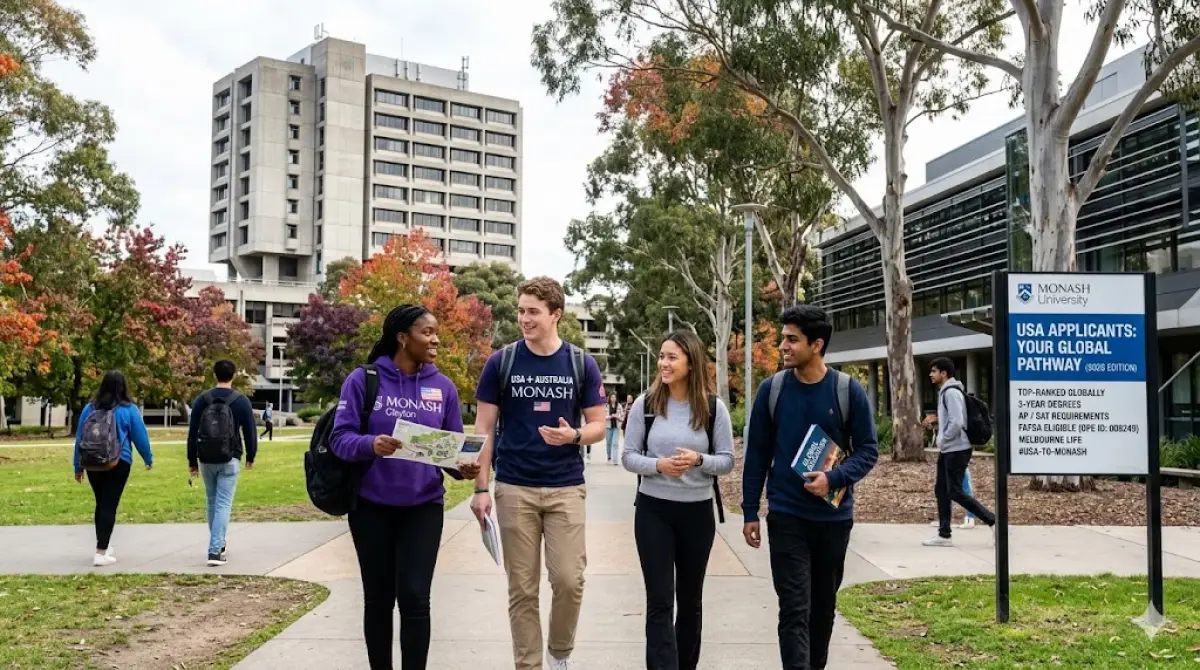
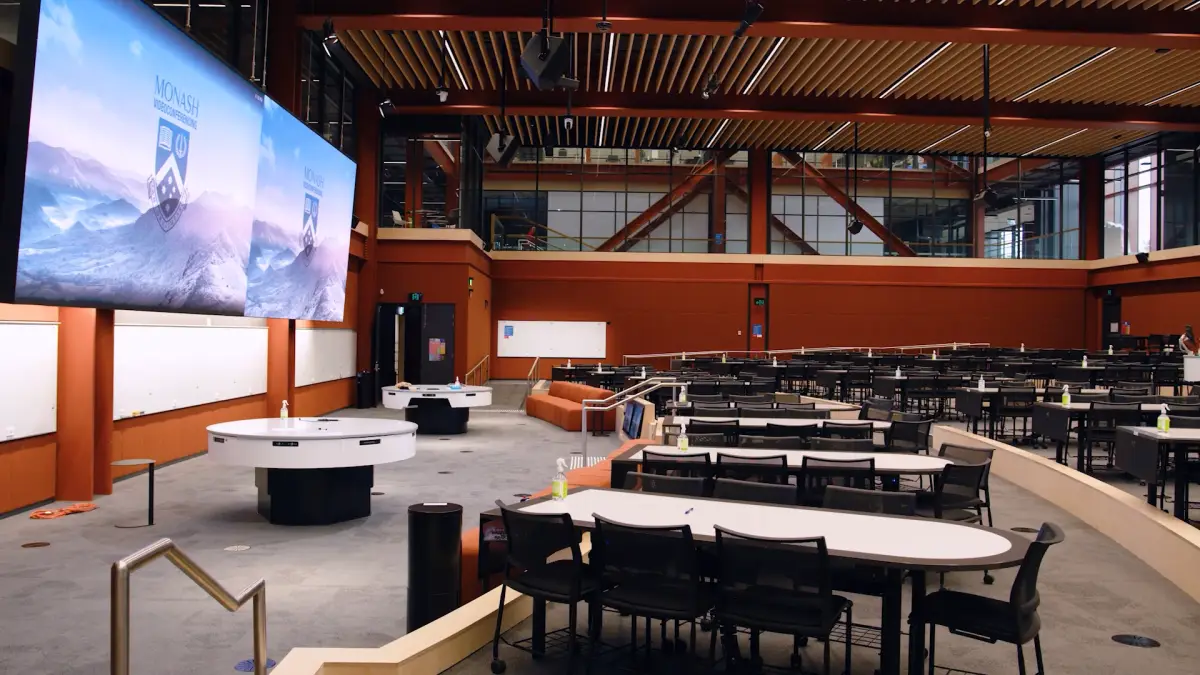
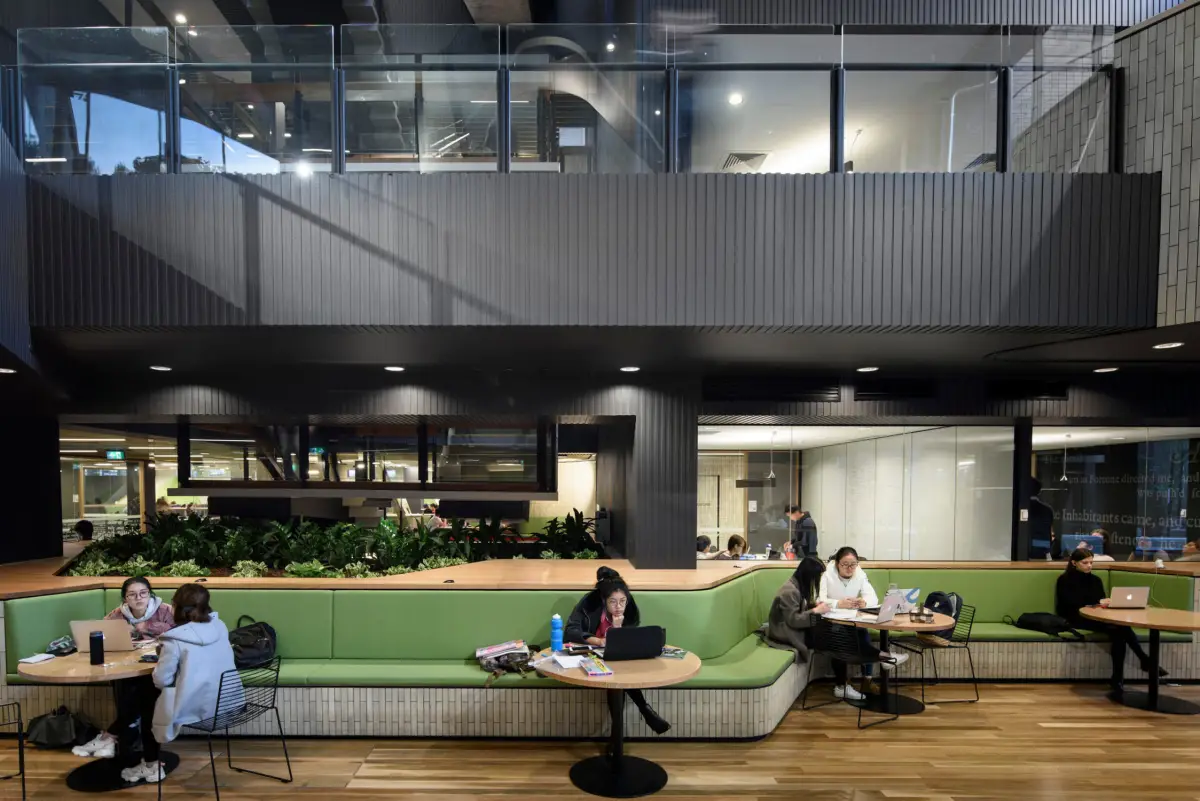
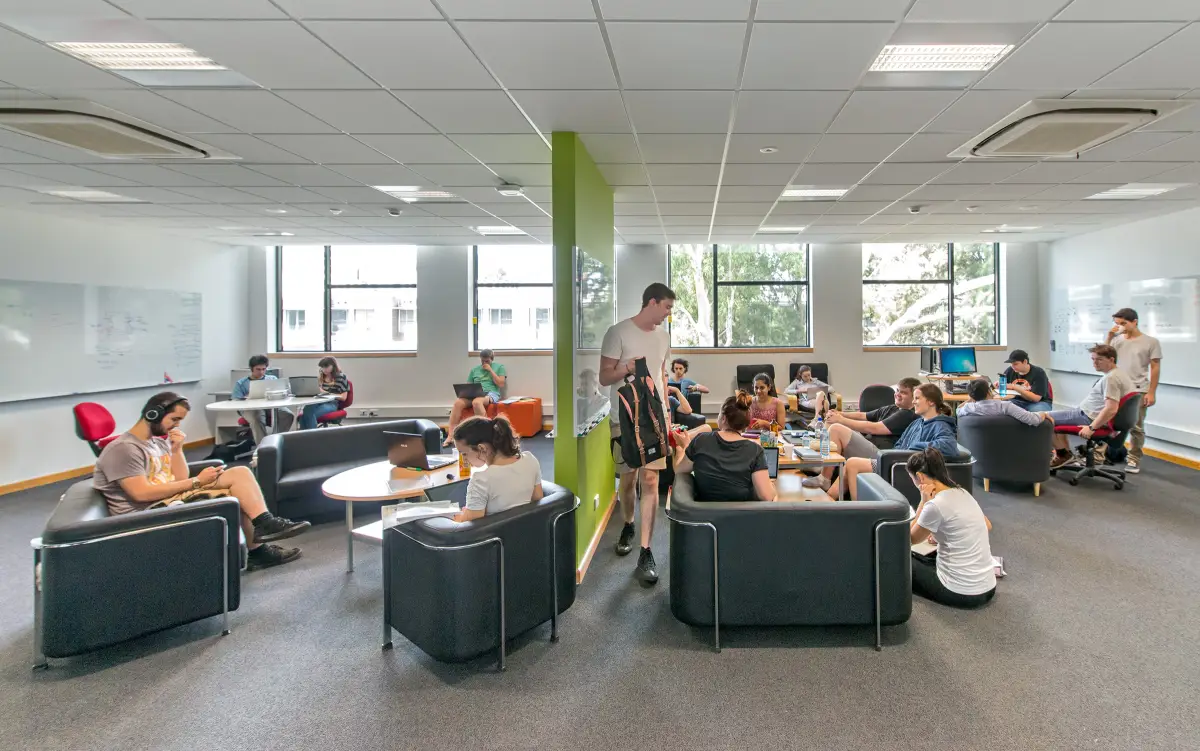
About Monash University
One of the university's distinctive features is the range of ways students can structure their studies. Depending on the course, students may choose comprehensive degrees, specialist programs, honours pathways or double degrees that combine two academic fields. Monash also places considerable emphasis on research, industry experience and international opportunities.
For international students, including those from Saudi Arabia and the wider GCC, Monash is particularly relevant if the priority is a highly ranked Australian university with a large choice of professional and research-oriented programs. The trade-off is that Melbourne is an expensive study destination, and the university's size means students need to be comfortable navigating a large and academically competitive institution.
Where Is Monash University Located?
Monash University is based in Victoria, with its largest Australian campus at Clayton, approximately 20 kilometres south-east of central Melbourne. Other major Victorian campuses include Caulfield, Peninsula and Parkville.
Clayton is the university's largest campus and is particularly important for students studying engineering, science, information technology and a range of other disciplines. Caulfield is closer to central Melbourne and is strongly associated with business, arts and other disciplines. Parkville is located closer to central Melbourne and has a strong focus on health and pharmaceutical sciences, while Peninsula is further south of Melbourne and has strong links with health, education and community-focused study.
Melbourne offers extensive public transport, including trains, trams and buses. Students should nevertheless choose accommodation based on their actual campus rather than assuming that living in central Melbourne will always be the most convenient option. The distance between Monash campuses can make daily commuting significantly different depending on the degree.
Melbourne is one of Australia's major student cities and offers a diverse international population, extensive entertainment and cultural activities, and a large employment market. The main financial challenge is housing and general living costs, particularly for students who want to live alone or close to central Melbourne.
Programs at Monash University
Monash offers undergraduate, postgraduate coursework and research degrees across a broad range of academic fields. Its current course structure includes faculties covering art, design and architecture; arts; business and economics; education; engineering; information technology; law; medicine, nursing and health sciences; pharmacy and pharmaceutical sciences; and science.
Faculty of Art, Design and Architecture at Monash University
This area combines creative disciplines with professional education in architecture, design and fine art. It can suit students who want a combination of creative development, technical skills and professional practice.
- Bachelor of Architectural Design
- Bachelor of Design
- Bachelor of Fine Art
- Master of Architecture
Faculty of Arts at Monash University
Arts programs cover humanities, languages, social sciences, media, politics, philosophy and related fields. The faculty provides both broad degrees and opportunities to specialise through majors and minors.
- Bachelor of Arts
- Bachelor of Global Studies
- Bachelor of Music
- Bachelor of Media Communication
Faculty of Business and Economics at Monash University
Business is one of Monash's major study areas, with programs covering accounting, finance, economics, management, marketing and related business disciplines. Students can also combine business study with another field through double degrees.
- Bachelor of Business
- Bachelor of Commerce
- Bachelor of Economics
- Master of Business
- Master of Business Analytics
Faculty of Education at Monash University
Education programs prepare students for teaching and education-related careers, with course structures varying according to the intended teaching level and professional pathway.
- Bachelor of Education
- Bachelor of Education and Bachelor of Business
- Bachelor of Education and Bachelor of Arts
- Master of Teaching
Faculty of Engineering at Monash University
Engineering is a major professional discipline at Monash, covering traditional engineering fields as well as emerging areas such as biomedical engineering, renewable energy and advanced technology. Engineering students can also combine engineering with science, commerce, computer science, information technology and other disciplines.
- Bachelor of Engineering (Honours)
- Bachelor of Engineering (Honours) and Bachelor of Computer Science
- Bachelor of Engineering (Honours) and Bachelor of Commerce
- Bachelor of Engineering (Honours) and Bachelor of Information Technology
- Bachelor of Engineering (Honours) and Bachelor of Science
- Master of Professional Engineering
Faculty of Information Technology at Monash University
Information technology is one of Monash's particularly strong areas, with study options spanning software engineering, computer science, cybersecurity, artificial intelligence, data science, information systems and related disciplines. The faculty also offers industry-based learning opportunities that can give eligible students substantial professional experience before graduation.
- Bachelor of Information Technology
- Bachelor of Computer Science
- Bachelor of Agentic Software Engineering
- Bachelor of Information Technology and Bachelor of Arts
- Bachelor of Information Technology and Bachelor of Science
- Master of Artificial Intelligence
- Master of Cybersecurity
- Master of Data Science
- Master of Information Technology
Faculty of Law at Monash University
Law programs are designed for students interested in legal practice, policy, regulation and related professional careers. Monash also offers double-degree pathways that combine law with disciplines such as commerce, arts, science and engineering.
- Bachelor of Laws (Honours)
- Bachelor of Laws (Honours) and Bachelor of Arts
- Bachelor of Laws (Honours) and Bachelor of Commerce
- Bachelor of Laws (Honours) and Bachelor of Science
- Bachelor of Laws (Honours) and Bachelor of Engineering (Honours)
Faculty of Medicine, Nursing, and Health Sciences at Monash University
This faculty covers medicine, nursing, and a wide range of health disciplines. Health programs can involve additional selection requirements, clinical education and professional accreditation, so international students should assess the specific course rather than relying on general university admission requirements.
- Bachelor of Medical Science and Doctor of Medicine
- Bachelor of Nursing
- Bachelor of Occupational Therapy
- Bachelor of Physiotherapy
- Bachelor of Public Health
Faculty of Pharmacy and Pharmaceutical Sciences at Monash University
Pharmacy and pharmaceutical sciences provide pathways into pharmacy practice, pharmaceutical research, drug development and related health industries. Monash has a particularly established academic presence in pharmaceutical education and research.
- Bachelor of Pharmacy (Honours)
- Bachelor of Pharmaceutical Science
- Master of Pharmaceutical Science
Faculty of Science at Monash University
Science provides broad and specialised study options across biological, chemical, physical, mathematical and environmental disciplines. Students can also combine science with engineering, law, information technology and other fields.
- Bachelor of Science
- Bachelor of Science (Honours)
- Bachelor of Science and Bachelor of Engineering (Honours)
- Master of Data Science
- Master of Biotechnology
Top Programs at Monash University
Monash does not present a single official university-wide list of its "top programs". The following selection is based on the university's academic breadth, international reputation, subject rankings, research strengths, professional relevance and industry connections rather than an official Monash ranking of these degrees.
- Bachelor of Engineering (Honours)
- Bachelor of Information Technology
- Bachelor of Computer Science
- Bachelor of Pharmacy (Honours)
- Bachelor of Laws (Honours)
- Bachelor of Business
- Bachelor of Science
- Bachelor of Medical Science and Doctor of Medicine
For students from the GCC, engineering, information technology, business, medicine, pharmacy and science are particularly worth investigating because they connect naturally with professional careers and internationally transferable qualifications. However, professional recognition should always be checked in the country where the student eventually intends to work.
The real cost of studying at Monash University
Monash is not a low-cost study destination. International students need to budget for tuition separately from accommodation, food, transportation, health insurance and other expenses. The university states that living costs for a single international student can be approximately AUD 30,000 to AUD 45,000 per year, depending on location and lifestyle.
Tuition fees for international students
International tuition varies by course and is normally calculated using a standard full-time study load of 48 credit points per year. The following examples use published 2027 international fees and are intended to show the scale of the cost rather than replace the fee information for a student's exact course.
| Program | Published 2027 international fee per year | Typical duration consideration |
|---|---|---|
| Bachelor of Business | AUD 37,100 | Check the exact course structure |
| Bachelor of Information Technology | AUD 58,940 | Check the exact course structure |
| Bachelor of Engineering | AUD 51,340 | Typically a multi-year professional degree |
| Bachelor of Laws (Honours) | AUD 52,840 | Check the exact course structure |
| Bachelor of Laws and Bachelor of Arts | AUD 58,540 | Double-degree duration applies |
| Bachelor of Science | AUD 47,940 | Check the exact course structure |
Fees are subject to annual changes, and double degrees, clinical programs and specialist degrees can have different costs. Students should therefore calculate their expected total tuition using the exact course and duration rather than multiplying one annual figure without checking future fee changes.
Monthly living costs
Monash estimates annual living expenses for a single international student at approximately AUD 30,000 to AUD 45,000. This is an overall planning range rather than a guaranteed monthly budget.
| Expense | Monash's approximate cost range |
|---|---|
| On-campus accommodation | AUD 350–450 per week |
| Shared rental in the Clayton area | AUD 275–380 per week |
| Homestay | AUD 275–430 per week |
| Private rental in the Clayton area | AUD 500–750 per week |
| Groceries and eating out | AUD 150–500 per week |
| Utilities | AUD 40–80 per week |
| Phone and internet | AUD 20–46 per week |
| Public transport | AUD 25–50 per week |
These figures illustrate why accommodation is one of the most important financial decisions for a Monash student. Sharing accommodation can substantially reduce the weekly cost compared with renting a private apartment alone.
Is Monash University worth the cost?
For students who want a highly ranked Australian research university and can comfortably manage Melbourne's cost of living, Monash can offer a strong combination of academic breadth, research opportunities and professional education.
The value proposition is strongest for students whose intended career benefits from Monash's particular academic strengths. Engineering, IT, health, pharmacy, science, business and law students may find the university's scale and industry connections particularly useful.
The calculation is less straightforward for students whose main priority is simply obtaining an Australian degree at the lowest possible cost. Monash's tuition and Melbourne living expenses can be significant, and a lower-cost university may provide better financial value depending on the student's course and career goals.
Monash also provides opportunities for industry experience. For example, the Faculty of Information Technology offers industry-based learning units in which eligible students can undertake substantial placements in professional environments. Business students can similarly complete industry placement units that count toward their studies.
Scholarships at Monash University
Monash offers a range of university-administered scholarships and financial awards for international students. Availability, eligibility and values can change, so students should assess the scholarship attached to their intended intake rather than relying on older scholarship information.
| Scholarship / Financial Aid | Value | Eligibility / Study Level | Notes |
|---|---|---|---|
| Monash International Leadership Scholarship | 100% of course fees | International students with an undergraduate course offer | Four scholarships are offered each year; selection is based on academic achievement |
| Monash International Merit Scholarship | AUD 15,000 per year for scholarships awarded from 2026, subject to the scholarship terms | International students with a full Monash course offer | Academic achievement is a major selection criterion; 20 scholarships are offered annually |
| Monash Awards | AUD 10,000 or AUD 15,000 | New international undergraduate and postgraduate applicants meeting the relevant criteria | Automatic assessment; paid as a one-off award across the first two semesters |
The International Leadership Scholarship is especially competitive: only four are offered each year and recipients must maintain the required academic performance and participate in the associated ambassador activities.
Students should also distinguish between a full tuition scholarship and a partial award. Even a scholarship covering tuition does not necessarily cover accommodation, living expenses or Overseas Student Health Cover.
Admission requirements at Monash University
Admission requirements vary significantly by course. International students need to satisfy the general academic and English requirements as well as any subject prerequisites or additional selection requirements for their chosen degree.
Academic requirements
Monash assesses international qualifications according to the country and qualification system. Depending on the applicant's background, accepted qualifications can include international secondary qualifications, A Levels, the International Baccalaureate and other recognised qualifications.
There is no single academic score that guarantees admission to every Monash course. Some programs have higher selection requirements, prerequisite subjects, interviews, portfolios or other additional criteria.
English language requirements
For many Monash courses, the general minimum English requirement includes IELTS Academic with an overall score of 6.5 and no individual band below 6.0. Monash also accepts a range of other English qualifications, including TOEFL iBT, Pearson Test of English Academic and Cambridge English qualifications, subject to the university's current requirements.
Some courses have higher English requirements. Medicine, for example, has a higher English threshold than the general university minimum.
Subject prerequisites
Prerequisites are particularly important for professional programs. Engineering may require mathematics and, depending on the unit or course, physics or chemistry. Information technology courses can require mathematics. Health, medicine and pharmacy programs may have specific science prerequisites and additional selection requirements.
Medicine and other competitive courses
Direct-entry medicine is substantially more competitive than many general undergraduate courses. For international applicants, the Bachelor of Medical Science and Doctor of Medicine selection process includes academic results, the International Student Admissions Test and a Multiple Mini Interview. These components are used as part of the selection process, so meeting minimum academic requirements alone does not guarantee an offer.
Pathway options
Students who do not meet direct-entry requirements may have pathway options through programs such as the Monash University Foundation Year or diploma pathways, depending on their academic background and intended degree. Pathways should be assessed carefully because some destination courses have limited places and additional selection requirements.
Cultural and Religious Life for Arab and Muslim Students
For students arriving from Saudi Arabia or other GCC countries, Melbourne can involve a noticeable cultural adjustment. The city is highly multicultural, but it is still a predominantly non-Muslim Australian environment. Students may therefore need to become more independent in arranging meals, prayer schedules, transport and daily routines.
The positive side is that Monash provides dedicated spaces for prayer and reflection, and Melbourne has established Muslim communities and halal food options. Students who are accustomed to having religious facilities immediately available in their local environment should still plan their daily routine around the location of their campus and accommodation.
Prayer and mosques
Monash provides prayer and quiet spaces across its campuses. Clayton has a Religious Centre with Muslim prayer spaces for men and women, as well as separate Muslim prayer spaces on campus. Prayer facilities are also available at Caulfield, Parkville and Peninsula.
Students should check the current opening arrangements for their particular campus, especially during weekends, holidays and university closures. Melbourne also has a broad network of mosques and Islamic community organisations, although the most convenient option will depend on where the student lives.
Halal food
Students can find halal food in Melbourne, including restaurants and grocery options serving Muslim communities. However, halal availability varies by location, so students living close to Clayton, Caulfield or central Melbourne should identify nearby options rather than assuming that every restaurant or campus food outlet is halal.
Cooking at home is another practical option and can help international students control their food budget.
Where do students usually live in Australia?
Housing should be selected according to the campus and the student's budget. There is no single "best" Melbourne neighbourhood for every Monash student.
Clayton
Clayton is the most practical choice for many students based at the main Monash campus. It offers shared rentals, private rentals and university accommodation. Living nearby can reduce commuting time and make it easier to use campus facilities.
The main disadvantage is that students may feel farther from central Melbourne's nightlife and cultural attractions than those living closer to the city centre.
Caulfield and surrounding suburbs
Caulfield can be attractive for students studying at the Caulfield campus. It has good public transport connections and provides a more urban environment than living immediately around Clayton.
The trade-off is that accommodation costs can vary considerably, and living close to central Melbourne can increase the overall budget.
Melbourne inner suburbs
Students who prioritise city life, restaurants, cultural activities and access to central Melbourne may prefer inner-city accommodation. The disadvantage is the higher housing cost and potentially longer commute to Clayton.
On-campus accommodation
Monash offers on-campus accommodation at selected campuses. At Clayton, 2026 residential options included standard rooms, rooms with private bathrooms, studios and shared apartments, with published weekly rates generally ranging from approximately AUD 342 to AUD 442 depending on the residence and room type.
On-campus accommodation can simplify the first months in Australia because utilities and internet are included in the published accommodation charges for the relevant residences. However, places and room types can be limited, so students should not assume that applying automatically guarantees a preferred room.
Your first month in Melbourne: what should you expect?
The first month is usually more about building a routine than exploring everything Melbourne offers. International students should expect several practical tasks at the same time.
- Finalise accommodation and understand the rental or residence agreement.
- Set up a local bank account if needed.
- Arrange a mobile phone plan.
- Learn the public transport routes between home and campus.
- Attend orientation and understand the academic calendar.
- Buy essential household and study items.
- Learn where to buy affordable groceries.
- Build a realistic weekly budget.
- Understand how classes, assessments and participation work.
- Give yourself time to adjust socially and academically.
Students arriving from the GCC should also prepare for Melbourne's changeable weather. Winters are significantly cooler than the Gulf, and the weather can shift quickly during the day.
Ramadan while studying
For Muslim students, Ramadan in Melbourne can require more planning than it would at home. The academic calendar may continue normally during Ramadan, so students need to organise prayer, study, meals and commuting around their timetable.
Monash's campus prayer facilities can be useful during the day, while Melbourne's Muslim community provides opportunities for iftar and congregational activities. Students should check university and student-association activities closer to Ramadan because schedules and events can change from year to year.
Students should not assume that academic deadlines will automatically change during Ramadan. If fasting or religious observance creates a genuine difficulty with a specific assessment or requirement, the appropriate approach is to discuss the situation with the relevant faculty or student-support service in advance.
Working while studying and after graduation
International students on Australia's Student visa can generally work up to 48 hours per fortnight while their course is in session and can work unlimited hours during scheduled course breaks, subject to their individual visa conditions. Students cannot rely on work as their primary financial plan for studying in Australia.
Some mandatory work-integrated learning, placements or internships that form a registered component of a course can be treated differently under the student visa rules. Research master's and doctoral students also have different work arrangements once their research course has commenced.
Students should check their individual visa conditions before starting employment because immigration rules can change and the conditions attached to a particular visa are what ultimately apply.
Monash provides career services, employment opportunities and industry experience programs. Some faculties have structured placements that allow students to earn academic credit while developing professional experience.
After graduation, eligible international students may have options under Australia's graduate visa framework, but eligibility depends on the qualification, age, visa history and current immigration rules. Students should treat post-study work as a possibility to investigate rather than an automatic outcome of studying at Monash.
Three weaknesses you should know
- Cost: International tuition and Melbourne living expenses can make Monash a major financial commitment, particularly for families paying the full cost without a substantial scholarship.
- Large university environment: Monash is a very large institution. Students who prefer a small university where they quickly know their lecturers and classmates may find the scale less personal.
- Campus location: The main Clayton campus is well connected but is not in central Melbourne. Students who want to live in the city centre need to consider commuting time and additional housing costs.
Quick comparison with other universities
Monash is best compared with Australian research universities that have similar academic breadth and international standing. The following comparison uses broad indicators rather than suggesting that one university is objectively better for every student.
| University | Latest global ranking used | Location | Useful comparison point |
|---|---|---|---|
| Monash University | QS 2027: 31 | Melbourne | Broad professional portfolio, strong research profile and multiple Melbourne campuses |
| The University of Melbourne | QS 2027: 19 | Melbourne | Very strong research reputation and central Melbourne location |
| The University of Sydney | QS 2027: 25 | Sydney | Highly ranked comprehensive university in a major global city |
| Australian National University | QS 2027: 30 | Canberra | Strong research and public-policy environment |
| The University of Queensland | QS 2027: 40 | Brisbane | Strong research university with a different climate and cost environment |
Considering other universities in Melbourne?
The University of Melbourne is the most obvious comparison for students who want to remain in Melbourne but are considering another Group of Eight university. Students should also compare individual courses rather than university rankings alone, because course structure, professional accreditation, clinical opportunities, internships and total cost can differ considerably.
Who is Monash University for and who is it not for?
Best suited to students who:
- Want a highly ranked Australian research university.
- Need a wide choice of professional and academic disciplines.
- Are interested in engineering, IT, health, pharmacy, business, science or law.
- Want access to industry placements and professional experience.
- Are comfortable studying in a large university environment.
- Can manage Melbourne's relatively high living costs.
- Want access to a multicultural city and an established international student community.
May not be ideal for students who:
- Need the lowest possible tuition and living costs.
- Prefer a small university environment.
- Want to live immediately in central Melbourne without a long commute to Clayton.
- Are choosing a university primarily because of its overall ranking rather than the quality and suitability of the specific course.
Before rankings, ask yourself these questions.
A high global ranking is useful, but it should not make the decision by itself. Before accepting a Monash offer, students and parents should ask:
- Can we comfortably afford the full cost of tuition and living expenses?
- Does the exact course provide the professional accreditation or recognition needed for the student's career?
- Which Monash campus will the student attend?
- How much will accommodation cost near that campus?
- Would a double degree genuinely benefit the student's career or simply increase the workload and cost?
- Does the student's academic background satisfy the specific prerequisites?
- Would the student prefer Melbourne's large-city environment or a smaller Australian university city?
- What industry experience is built into the selected course?
- What are the realistic career options after graduation?
- Is there another university offering a similar course at a better total cost?
Monash University Ranking
QS World University Rankings 2027 for Monash University
Monash University is ranked 31st in the QS World University Rankings 2027. This places Monash among the world's leading universities and within the upper tier of Australian universities.
The Times Higher Education World University Rankings 2026 for Monash University
Monash University is ranked equal 58th in the Times Higher Education World University Rankings 2026. The same ranking places Monash strongly in several subject areas, including education, medical and health sciences, business and economics, engineering and computer science.
The Academic Ranking of World Universities 2025 for Monash University
Monash University is ranked 76th in the 2025 Academic Ranking of World Universities. ARWU places significant emphasis on research indicators, including highly cited researchers, research publications and major academic awards.
The difference between ranking positions is normal because QS, Times Higher Education and ARWU use different methodologies. Students should therefore avoid treating the three rankings as if they measure exactly the same thing.
Similar Universities to Monash University
Students comparing Monash should consider universities based on the intended course rather than ranking alone.
- The University of Melbourne: A natural Melbourne alternative for students seeking a highly ranked Group of Eight research university, particularly those who value a central-city campus environment.
- The University of Sydney: A strong alternative for students who want another highly ranked Australian research university in a major international city.
- Australian National University: Particularly relevant to students interested in research, public policy, international affairs and academic careers in Canberra.
- The University of Queensland: A useful alternative for students considering Brisbane and wanting a major Australian research university.
- RMIT University: Worth comparing for students who place a particularly high value on applied education, technology, design and a central Melbourne location.
Questions students often ask
Is Monash University suitable for Saudi and GCC students?
Yes, it can be a strong option for GCC students who want an internationally recognised Australian university and are comfortable with Melbourne's cost and lifestyle. Monash also provides Muslim prayer facilities and Melbourne has established Muslim communities and halal food options.
Is Melbourne expensive for international students?
Melbourne is a relatively expensive student city. Monash estimates that a single international student may need approximately AUD 30,000 to AUD 45,000 per year for living expenses, excluding tuition.
What IELTS score do I need for Monash?
For many courses, the general minimum is IELTS Academic 6.5 overall with no band below 6.0. Some programs have higher requirements, so students should check the exact course.
Can international students work while studying at Monash?
International students on the Student visa can generally work up to 48 hours per fortnight while their course is in session and unlimited hours during scheduled breaks, subject to visa conditions.
Does Monash offer scholarships for international students?
Yes. Monash offers university scholarships and awards for international students, including the Monash International Leadership Scholarship and Monash International Merit Scholarship. Some awards are highly competitive.
Which Monash campus should I choose?
You do not normally choose a campus independently of your degree. Your course determines where much of your study takes place. Clayton is particularly important for many engineering, science and technology students, while other disciplines are concentrated at Caulfield, Parkville or Peninsula.
Is Monash good for information technology?
Monash has a substantial Information Technology faculty with programs covering information technology, computer science, artificial intelligence, cybersecurity, data science and related fields. The faculty also provides industry-based learning opportunities for eligible students.
How much does Monash cost for international students?
Costs vary substantially by course. Published 2027 examples range from approximately AUD 37,100 per year for the Bachelor of Business to approximately AUD 58,940 for the Bachelor of Information Technology, before living costs and other expenses.
A message for parents
For parents, the most important question is not simply whether Monash is highly ranked. It is whether the university provides the right combination of academic quality, professional opportunity, financial sustainability and student support for your child.
Monash offers a large academic environment, established student services, multiple campuses and access to a major Australian employment market. At the same time, the total cost can be substantial, and students need to become increasingly independent with accommodation, budgeting, transport and academic planning.
Families from the GCC should also consider the distance from home and the practical realities of living in Melbourne. A student who is academically capable but not financially prepared or comfortable with independent living may struggle despite being admitted to a highly ranked university.
Need help applying to Monash University?
YouApply can help students compare programs and universities, understand admission requirements, review tuition and scholarship information, and make sense of the different application options available to international students. The goal should be to choose a university based on the student's academic profile, budget and career plans rather than ranking alone.
Apply Now! for Monash University
1. Choose a course.
Start by selecting the exact Monash degree you want to study. Compare the course structure, campus, duration, tuition fee, prerequisites, professional accreditation and career direction. If you are considering a double degree, make sure the additional workload and duration provide a clear benefit.
2. Check your eligibility.
Review the academic requirements for your qualification, English language requirements and any subject prerequisites. Some programs require additional assessments, interviews, portfolios or other selection processes.
3. Gather your documents
- Valid passport
- Academic transcripts
- Graduation certificates or evidence of completion where applicable
- English language test results where required
- Evidence of prerequisite subjects
- Personal statement where required
- Portfolio where required
- Additional documents requested for the specific course
Documents may need to be certified or translated depending on the qualification and application route.
4. Check your finances.
Before applying, calculate the expected tuition and living costs. Include accommodation, food, transport, health insurance, student fees, study materials and visa-related expenses. A scholarship should be treated as financial support rather than as something that can be assumed before receiving confirmation.
5. Submit your application.
International students who are not completing an Australian Year 12 qualification, an International Baccalaureate in Australia or New Zealand, or NCEA in New Zealand can generally apply directly to Monash or through an authorised Monash Education Agent. International students completing the specified Australian qualifications may need to apply through the Victorian Tertiary Admissions Center.
Monash advises international applicants to apply as early as possible because some courses can close months or even a year before the intended start date. This is particularly important for competitive courses and students who need time to arrange a student visa.
6. Accept your offer and prepare for Australia.
If your application is successful, follow the conditions and deadlines in your International Student Course Agreement. You will generally need to complete the acceptance process, pay the required deposit and arrange Overseas Student Health Cover before receiving the Confirmation of Enrolment needed for the student visa process.
GCC-Specific Relevance
For students from Saudi Arabia, the UAE, Qatar, Kuwait, Bahrain and Oman, Monash offers a combination that can be attractive but financially demanding.
- Cultural adjustment: Melbourne is multicultural, but students should expect a more individual and independent lifestyle than they may be used to at home.
- Muslim life: Monash provides prayer facilities, while Melbourne has established Muslim communities and halal food options.
- Climate: Melbourne is much cooler than the Gulf, particularly during winter.
- Distance from home: Returning home frequently can be expensive and time-consuming, so families should consider this when budgeting.
- Housing: Accommodation can become one of the largest ongoing expenses, especially for students who want to live alone.
- English and academic culture: Students may need to adapt to independent study, written assignments, class participation and continuous assessment.
- Career planning: Students should identify whether the intended qualification is recognised and useful in the country where they eventually want to work.
For GCC families, the strongest reason to choose Monash should therefore be the fit between the student's course, career goals and budget. The university's ranking is valuable context, but it should not be the only reason for choosing it.

Need help applying to Monash University in Australia?
YouApply academic advisors help international students compare programs, understand admission requirements, prepare university applications, and plan student life in Australia. Our academic consultation service is completely free for students.
Monash University FAQs
Requirements for Monash University
Age requirements
You should be at least 17 years old when you enrol, although there are some exceptions. Find out more at Monash age requirements.
Academic, prerequisite and additional entry requirements
You must check that you meet academic, prerequisite and additional requirements for the Monash course you are applying for. Go to your course page, and click on "entry requirements".
If you're an international undergraduate student, refer to your course page or use the study credit and admissions eligibility search.
For international postgraduate entry requirements refer to your course page.
English language requirements
To study an undergraduate or postgraduate course at Monash, you must satisfy our English language requirements. Some courses have higher English language requirements than others.
Monash assess your proficiency using your most recent test. Even if you've done several tests or assessments over the years, we only consider the last one.
If you have not met the English language requirements from your previous studies, you are able to undertake English language proficiency tests to gain entry into your preferred Monash course. The University reserves the right to require that an applicant undergo a test of English proficiency.
If your English test result does not satisfy English language requirements into your chosen course, the Monash University English Language Centre offers English language programs which provide the best chance of transitioning into Monash University.
To view the minimum English language requirements refer to the Admission to Coursework Courses and Units of Study Procedures.
Other requirements
If you are an international student applying for a student visa, other than assessing your application against the above entry requirements, Monash University is obliged to check that you are genuinely seeking temporary entry to Australia to study. If the University forms the opinion that you are not a Genuine Student (GS) (as specified on Department of Home Affairs Genuine student requirement for student visa application), it may refuse to assess your application, withdraw an offer of a place, or cancel your confirmation of enrolment.
The University reserves the right to request additional information and conduct a face to face interview in relation to a Genuine Student check.
Monash University Ranking

Best Global Universities Rankings -2025-2026 for Monash University
Monash University ranking is #38 globally in the Best Global Universities Rankings -2025-2026.



Top Programs at Monash University
Explore undergraduate and postgraduate programs at Monash University.
- Accounting
- Actuarial Science and Actuarial Studies
- Actuarial Science
- Applied Data Science Advanced
- Applied Data Science
- Architectural Design and Architecture
- Architectural Design
- Arts
Scholarships at Monash University for International Students
Explore scholarships at Monash University including merit-based and need-based funding options.
- Faculty of Law International Asia Scholarship at Monash University
- K.C. Kuok Scholarship at Monash University
- Pharmacy International Undergraduate Merit Scholarship at Monash University
- Monash University International Merit Scholarship at Monash University
- Sir John Monash Scholarships for Excellence at Monash University
- Monash Humanitarian Scholarship at Monash University
- Indonesian Women in STEM at Monash University
- Republic Polytechnic Education Scholarship at Monash University
- Faculty of Law Masters International Scholarship at Monash University
- Dal Sasso Family Scholarship at Monash University
Similar Universities to Monash University
Discover similar universities in the same country based on academic rankings and programs.