Your guide to know everything you need about studying Information Systems
What you need to know about Information Systems
Information systems: What are they?
Information systems concentrate on the most effective ways to apply technology to resolve business issues and enhance workflow processes. Gaining the knowledge and abilities necessary to oversee technology systems utilized by a variety of organizations, including businesses, government agencies, and nonprofits, is possible with an information systems degree.
specializations in information systems
The following are the most popular specializations in information systems: enterprise systems and integration; cybersecurity and information assurance; data analytics and business intelligence; IT project management; and digital innovation and strategy.
What a program in information systems will teach you
A degree in information systems offers a stimulating combination of business and technological courses. You'll pick up a variety of skills necessary to succeed in the field during this program. Here are some reasons why earning a degree in information systems is a good idea:
Learn software development,
data management, system analysis and design,
project management,
keep up with the most recent technological advancements.
Typical courses consist of:
Working with data systems is taught by database management systems; appropriate computer languages are learned through coding;
Information Systems Principles, which deal with the development and application of information systems in businesses;
Business Process Design, which teaches the creation and application of organizational workflows;
Learning to analyze data and make inferences from it is what data analytics is all about.
You also learn how to think critically and speak well when pursuing an information systems degree. In addition, the curriculum equips you with the skills necessary to assist businesses in leveraging technology to increase their success through hands-on projects.
Proficiency in Information Systems is necessary.
Since employing technology is a major component of an information systems degree, technical and mathematical proficiency are prerequisites. In addition, as organizations and technology are changing at a rate that is faster than other industries, you must possess strong problem-solving skills and the ability to quickly adjust to new circumstances.
Information Systems Careers
Information Systems Specialisations
Explore related Information Systems specialisations, including animation, information technology (it), computer sciences, data analytics, and game design programs.

Animation

Information Technology (IT)

Computer Sciences

Data Analytics

Game Design
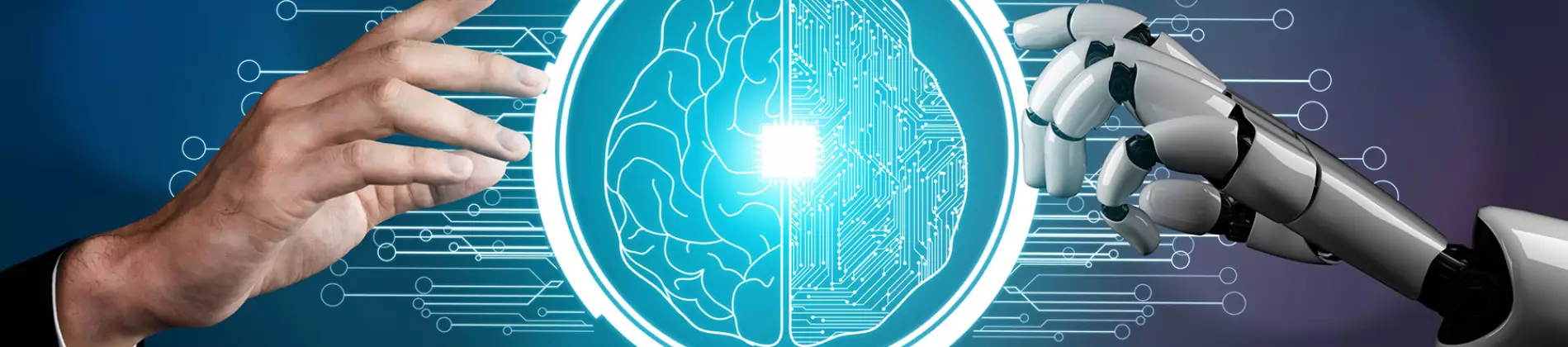
Artificial Intelligence

Business Information Systems
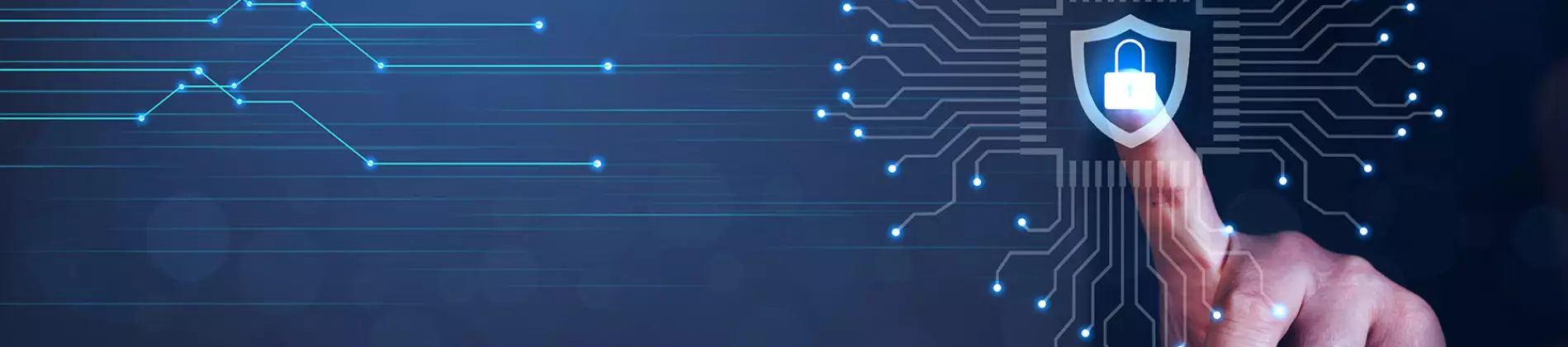
Cyber Security

Data Science & Big Data
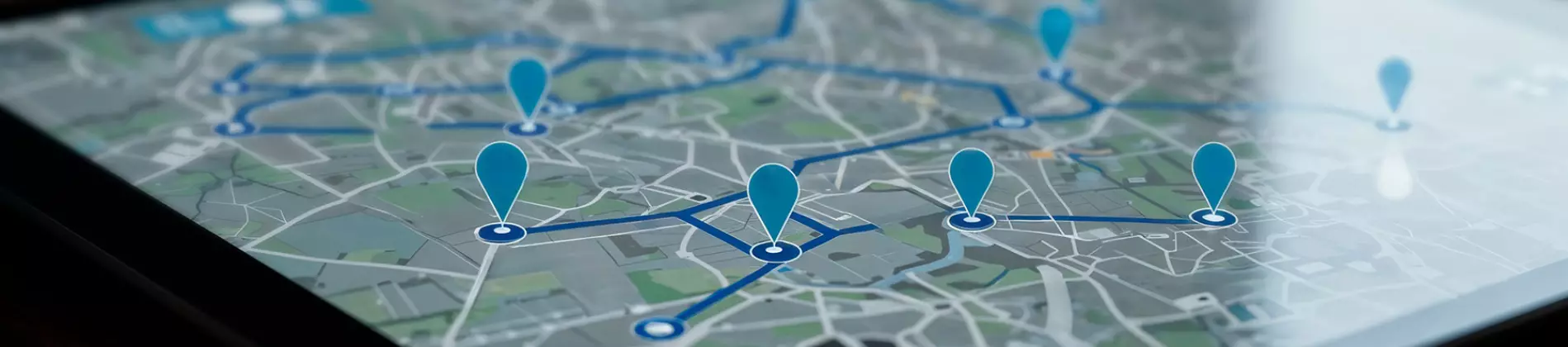
Geographical Information Systems (GIS)

Health Informatics

Human Computer Interaction

Machine Learning

Software Engineering

User Experience Design