Your guide to know everything you need about studying Information Technology (IT)
What you need to know about Information Technology (IT)
An Information Technology (IT) degree is a program that teaches you about the use, development, and management of computers, software, networks, and systems that store, retrieve, transmit, and manipulate data. This field is vital in today’s digital era, being used and making changes in nearly every sector. Within IT, students can specialize in several areas such as Cybersecurity, Data Science, Networking and Systems, Software Development, and IT Management. These specializations are available in both Bachelor’s and Master’s degree programs, helping students refine their expertise in specific IT areas. During an Information Technology program, you’ll gain a solid grounding in the key concepts, technologies, and practices of IT. You’ll learn proficiency in various programming languages, an understanding of data structures and databases, knowledge of computer networks, operating systems, and cybersecurity, skills in software development and project management, and concepts of data analytics and machine learning. Common courses include Programming Fundamentals, Database Systems, Networking, Cybersecurity, and Data Analytics.
Information Technology (IT) is a degree program that is ideal for those interested in technology and its practical application. The skills you acquire from IT courses are highly valued by many industries, making IT graduates attractive to potential employers. The Information Technology degree requirements include a good foundation in Mathematics, a passion for technology, and great skills in solving problems. Good communication can also make a difference because IT professionals often need to explain complex technical concepts to non-technical colleagues.
Information Technology (IT) Careers
Information Technology (IT) Specialisations
Explore related Information Technology (IT) specialisations, including animation, information systems, computer sciences, data analytics, and game design programs.

Animation

Information Systems

Computer Sciences

Data Analytics

Game Design
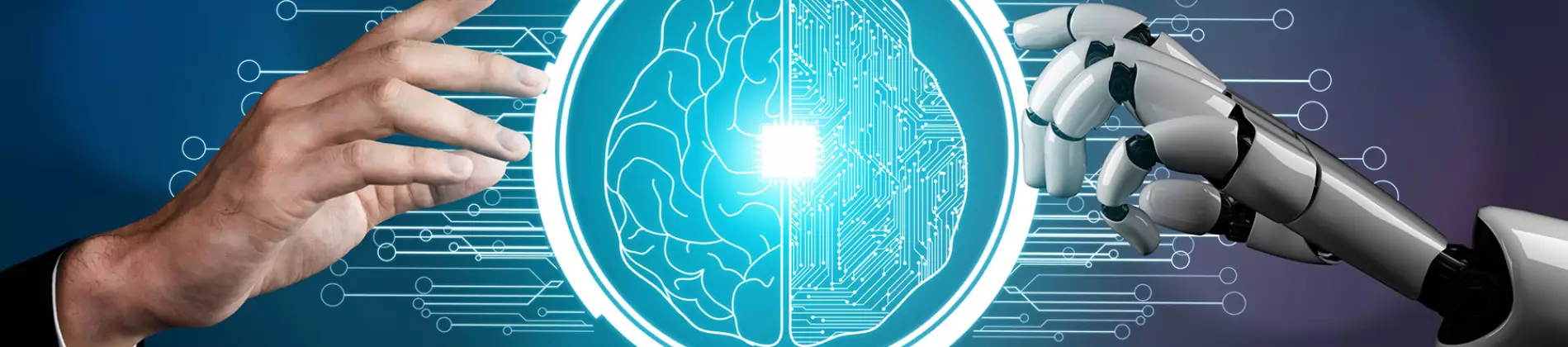
Artificial Intelligence

Business Information Systems

Cyber Security

Data Science & Big Data

Geographical Information Systems (GIS)

Health Informatics

Human Computer Interaction

Machine Learning

Software Engineering

User Experience Design