Your guide to know everything you need about studying Human Computer Interaction
What you need to know about Human Computer Interaction
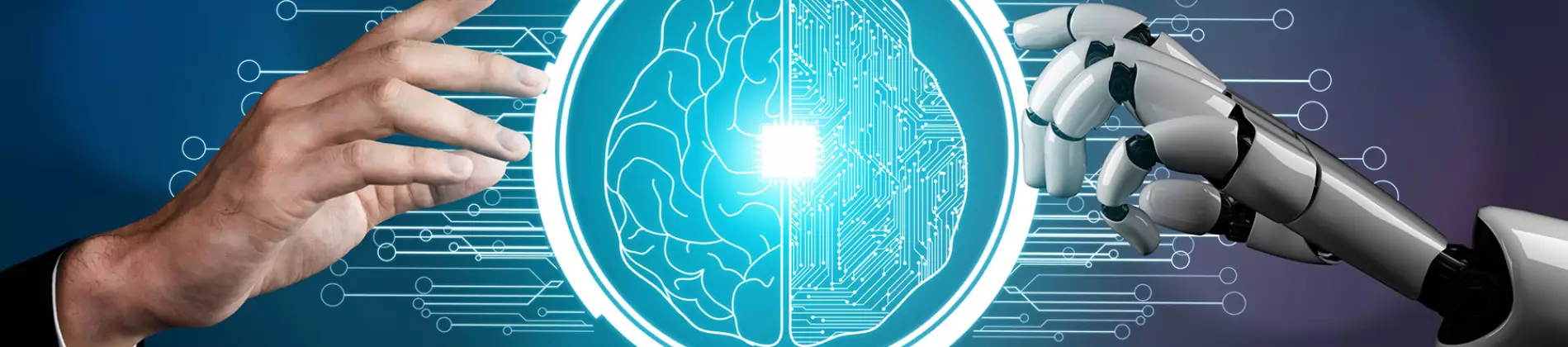
Human-Computer Interaction (HCI) revolves around constructing and implementing interfaces and technologies that seamlessly adapt to people's needs. Focused on creating user-friendly interfaces for optimal satisfaction across various user types, HCI professionals analyze user tasks to enhance ease of use. The field integrates auditory systems like sound and speech recognition, visual elements such as graphic animations, and cutting-edge technology to create interfaces that enhance user experience.
Spanning Computer Science, Ergonomics, Psychology, Cognitive Sciences, and Linguistics, HCI incorporates principles from these disciplines. Disciplines akin to HCI include Robotics, Materials Engineering, and User Experience Design.
In HCI programs, students learn cognition and perception principles to design effective user interfaces. They develop data-collecting and troubleshooting skills, gaining an understanding of potential issues in interacting with specialized technology or software. Additionally, students acquire visual design elements for prototyping programs and basic research skills. HCI plays a crucial role in creating technology that is not only efficient but also user-centric, emphasizing the interdisciplinary nature of the field.
Human Computer Interaction Careers
Human Computer Interaction Specialisations
Explore related Human Computer Interaction specialisations, including animation, information systems, information technology (it), computer sciences, and data analytics programs.

Animation

Information Systems

Information Technology (IT)

Computer Sciences

Data Analytics

Game Design
Artificial Intelligence

Business Information Systems

Cyber Security

Data Science & Big Data

Geographical Information Systems (GIS)

Health Informatics

Machine Learning

Software Engineering

User Experience Design